 Watch the video on Facebook
Addiction has devastated families and communities across Canada.
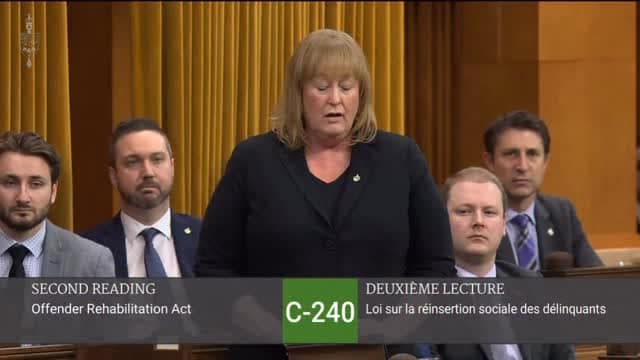
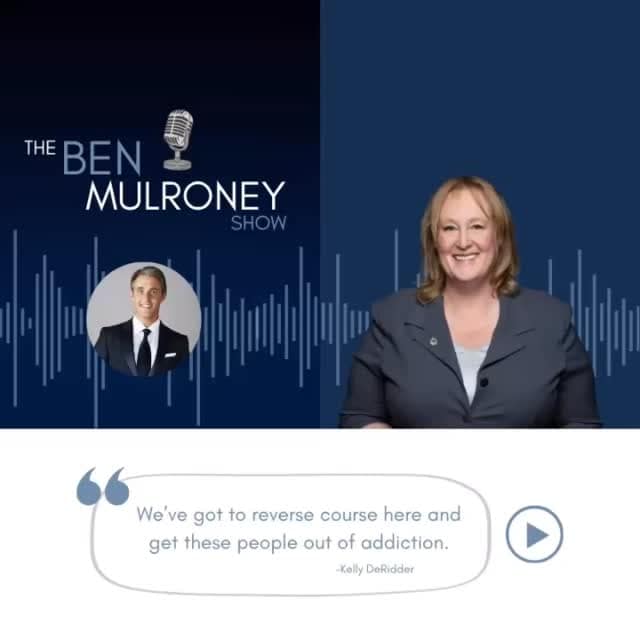
In this interview, we discuss Bill C-240, the importance of recovery-focused solutions, and why those struggling with addiction deserve a real path to healing.
What Kelly says in this video
Automatic transcript; it may contain small errors.
for joining us now. Kelly, congratulations. Thank you so much, Ben. Yesterday was a very, very good day to have that unanimously passed in the House, my bill of C240. I'm incredibly excited for solutions to this drug crisis. Okay, let's spend just a second on procedure because I'm really curious about this. How does a conservative push forth a common sense bill in a time and in a town where, at least from my vantage point, it feels like we're lacking in the common sense department in some ways, and yet you got unanimous support? It was a lot of conversations, Ben. I had a lot of conversations with ministers and others of the liberal caucus and just explained that we need to reverse course here. I think also sharing my story was a contributing factor that people can and do rehabilitate and that we've got to start focusing as a country. Oh, I think we lost you there for a sec. Just keep going. A place where we can start is on a federal level is to ensure that we're offering pathways to rehabilitation when someone's been incarcerated, at least giving them a chance to break the cycle and turn their lives around. So give me the high level bullet points of what would change from what the system is today? How will it be different and how will it be better under Bill C240? So the judge can prescribe rehabilitation supports for an inmate, whether it be skills training, education, mental health support, drug and alcohol rehabilitation, and then the inmate will partake in that rehabilitation plan, and then the parole board can look at whether or not that plan was completed. This is fantastic, but this is coming from the federal government, and yet in the city of Toronto, and we're going to be talking about this during our Toronto Hour a little bit later. I mean, there's a city councilor, Chris Moyes, who's saying we need more safe consumption spaces. We need more of that stuff. It seems like the ideologues are hardening their defenses and hardening their positions. And if I may say, I read the piece on the CBC website, they didn't interview a single person who disagreed, not a single counterpoint in that article. So how do we advance an idea like yours that has unanimous support from coast to coast to coast from our elected representatives? But you do have ideologues at the municipal level who are going to try to do it and run around this sort of thing and make it harder for this to take root. I think the number one thing is that people have to start asking the question, is it working? Yeah. And the past 10 years of having these policies in place, harm reduction, safe supply, has only perpetuated this addiction crisis in Canada. We've lost more than 50,000 people to drug overdoses in Canada. That's more people than in World War II. And the public needs to get outspoken about this now. You see it in your communities, you see it in your parks. I've had a couple in Kitchener that came to me and said, Kelly, when I take my kids to the local park, I have to do a needle sweep. This isn't okay. And so this can be an election point in municipal elections coming up. Are you going to reverse course and help rehabilitate and heal these people? Or are you going to continually perpetuate the problem and ask for more harm reduction? It's not working. People need to ask their counselors this and they need to vote on what they think is the best course for people suffering with addiction. Yeah. I believe the expression that we read in the CDC piece is that safe consumption sites help build communities. That's a line from somebody, a real person. They build communities. I'm not quite sure what kind of communities they're talking about, Kelly, but apparently they build community. I'd like them to go into the community and actually ask the question. That's what I'd like them to do moving forward. Talk to the actual communities being impacted by this. Talk to the business owners downtown. Talk to the people taking their kids to the park. Talk to the people who just made international news that their dog died from eating opiates found in a park. I just personally posted about it myself. Oh my goodness. Oh, that poor dog. Tell us more about that. Yeah. Tell me more about that. What happened? They took their dog on a walk like normal and then he found something in the ground, as the article says, and was super attracted to it. They didn't realize. He came home within, I think it was an hour or so, he was gone. It was an opioid overdose. Their dog found it in the park, ate it, and they didn't even have time to help him. You know what? That is shocking, Kelly, because when I walk my dog, little Miss Bruce Wayne Mulroney, when I take her for walks, she's sticking her nose and stuff that she has no business sticking her nose in. But it's never occurred to me that it could be opioids and it could kill her. I just thought it was somebody else's business and I find it gross and we move on. But that's, I mean, there's part of me that loves her for being that weird, but you never want, I mean, it never occurred to me that that's heartbreaking. It is absolutely heartbreaking. That's why I actually personally posted about it today, because these are the stories that need to be talked about and addressed. And it's not talked about enough either, that this is no life to live and people can and do recover. I know this. I recovered. People can and do recover and there's this happy, beautiful, healthy, healed life on the other side of addiction. So let's stop enabling it. Let's stop perpetrating it and let's start focusing on recovery. Now, Kelly, how do we get from unanimously advancing Bill C-242 where it becomes the law of the land? So now it'll go to committee where they're going to, where the best work happens, in my opinion, in government is committee. They're going to review the legislation. They're going to probably amend it. I did tell the government I'm open to amendments so that we can get it through and then it's going to go back to the House. We're going to vote on it again and then it'll go to the Senate. And then after the Senate, does it come back to you for a final vote? It does, yes. And then it'll be actual law. And what's the timeline on something like that? Is it three months? Is it two months? What is it? Oh, no, I think we're still over a year away here. So the work has just begun. But, I mean, listen, I know we don't count our chickens and we certainly don't do that in politics, especially after that last election. But are you living in a world where this could become a thing? This has got to be very satisfying for you. So right now, I am, Ben, because the first stage is passed and it's through and it's going to committee. And then I'm willing to work with the government to ensure that we take a different path here in Canada. And if we can actually truly come together and work on this piece of legislation, then we can make real change in Canada. And so that's what's driving me. That's what's keeping me hopeful. It's going to go through the legislative process and that we can make this the reality. Kelly DeRitter, congratulations on this win. A big hurdle has been overcome, but also congratulations to everybody in the House of Commons for seeing the common sense, for wanting to work together for the betterment of those who absolutely need our help. Today is a victory for bipartisanship. It is a victory for Canada standing up for the weakest among us and not the weakest, those who need our help the most. And I thank you for being the tip of the sword. Thank you so much, Ben. All right, then what a great story and congratulations to Kelly and her team.