Conservative Party of Canada

Your MP at Work

Kelly DeRidder on Safe communities

Safe communities are a big part of Kelly DeRidder's work as Member of Parliament for Kitchener Centre. This page brings together her posts, videos and House of Commons speeches on public safety, support for victims, and recovery from addiction.

Kelly has put her Private Member's Bill, C-240, at the center of this work. The bill supports abstinence-based recovery and rehabilitation for offenders, with the goal of breaking the cycle of addiction and crime. She has also spoken in the House about the Protecting Victims Act and the Offender Rehabilitation Act, and she has backed Bill C-229 and a possible restorative justice centre in Waterloo Region.

Closer to home, Kelly hosted a roundtable with victims advocacy groups and support centres about their experiences with the justice system. She held a Social Media Townhall on keeping kids safe online. She met with the Canadian Police Association during National Police Week. She toured Gigi's House and the Oasis Centre, and she wrote to the Minister of Housing in support of Fire Station 8 and 281 affordable homes. She also celebrated Women's Crisis Services of Waterloo Region, SASC Waterloo Region and YWCA Cambridge for their work on the SHE Builds program, and she encouraged shoppers to visit Retail Therapy, which supports survivors of domestic violence.

129 posts, videos and speeches.
Facebook · September 24, 2026

Congrats to Women’s Crisis Services of Waterloo Region SASC Waterloo Region YWCA Cambridge Jess Dixon and so many others on their advocacy for SHE Builds. It’s great to see $2 million in provincial funding announced for this new program supporting women and gender-diverse surviv… Read more

ors of gender-based violence in Waterloo Region. Designed with survivors in mind, SHE Builds will help women explore new futures and find work in the skilled trades.

Facebook · September 14, 2026

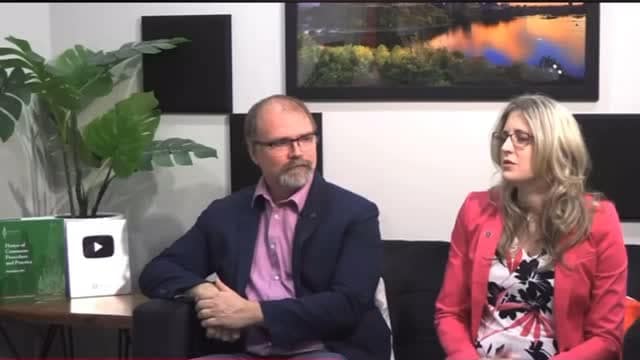
A great night with MPs Dr. Matt Strauss and Connie Cody MP at our Social Media Townhall. Lots of good questions and chances to hear directly from parents, teachers and families in our community to help kids navigate safety online. Thanks to everyone who came out!

Facebook · September 10, 2026

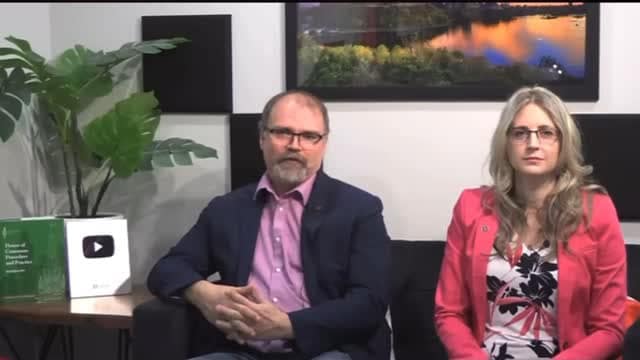
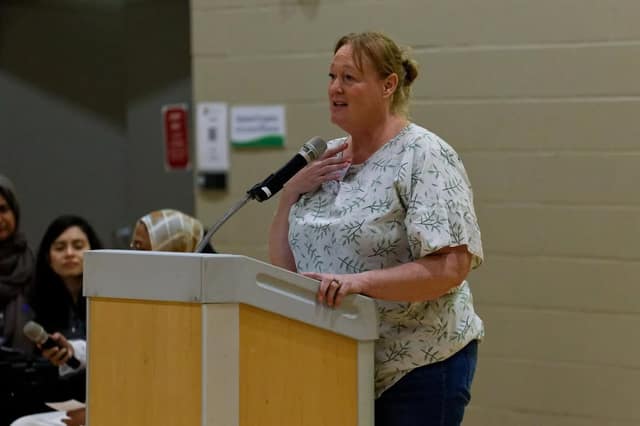
I was honoured to host a roundtable with MP Khanna to hear directly from victims advocacy groups & support centres about their experiences with the justice system, especially surrounding the Sloka case here in Kitchener. Their voices matter, and we need to keep listening, learni… Read more

ng and working to build a system that puts victims first.

Facebook · August 28, 2026

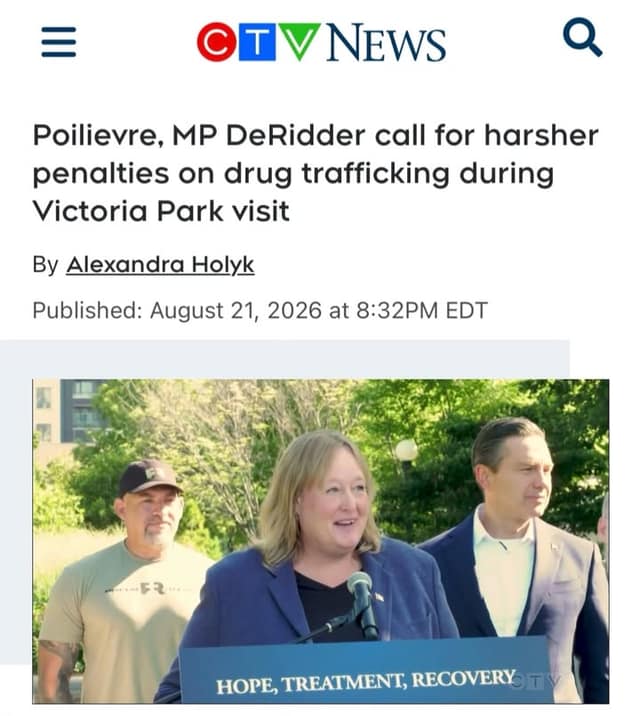
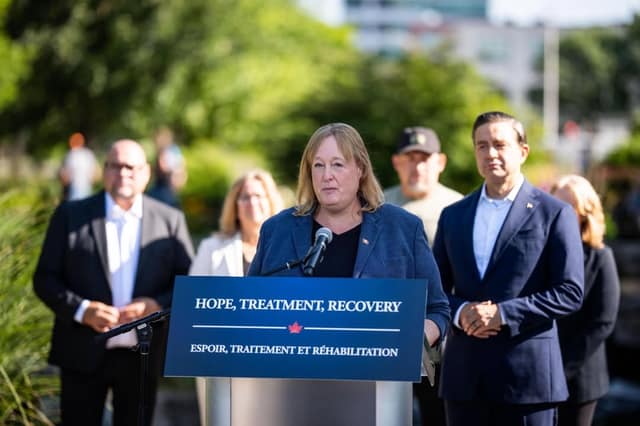
Enough is enough. Drug traffickers are fueling the addiction crisis and putting lives at risk in Kitchener and across Canada. We need tougher penalties for those who profit from trafficking and a justice system that puts victims, families and our communities first.

Facebook · August 24, 2026

Thank you to @PierrePoilievre for joining us in Kitchener to talk about real solutions to addiction and homelessness. We need to address the root causes, get people the help they need, and ensure our communities are safe. It’s time for action, not more encampments.

Facebook · August 23, 2026

We have to put victims first. It is not acceptable for a high-risk sex offender to be released, only to be re-arrested less than an hour later. We need a justice system that protects victims, keeps dangerous offenders off the streets, and puts public safety first.

Facebook · August 6, 2026

A big part of addressing homelessness is recovery. Without access to addiction treatment and recovery services, too many people are left trapped in a cycle that keeps them off the path to stability. Real compassion means helping people recover, not just helping them survive.

Facebook · August 3, 2026

Looking for your next thrift find? Visit Retail Therapy at 1668 King St E, Kitchener! Every purchase helps support survivors of domestic violence in our community. Shop local, find something unique, and support a great cause. https://www.facebook.com/share/1DYLT8SrTs/

Facebook · July 25, 2026

Addiction should never be a life sentence. My Private Member’s Bill C-240 supports abstinence-based recovery, giving offenders the opportunity to overcome addiction, restore their lives, and reduce the cycle of crime. Recovery works.

Facebook · July 24, 2026

If you feel like life has knocked you down from addiction, financial hardship, or just trying to make it through another day, just know, hope is real. People can recover. Lives can change. That’s why I believe so strongly in Bill C-240 and the power of abstinence-based recovery

Facebook · July 22, 2026

$6 million a year for Kitchener’s tent city?! Every dollar spent should be focused on getting people the support they need and helping them move toward safer, more stable housing. We need solutions that deliver results, not allow people to stay stuck.

Facebook · July 20, 2026

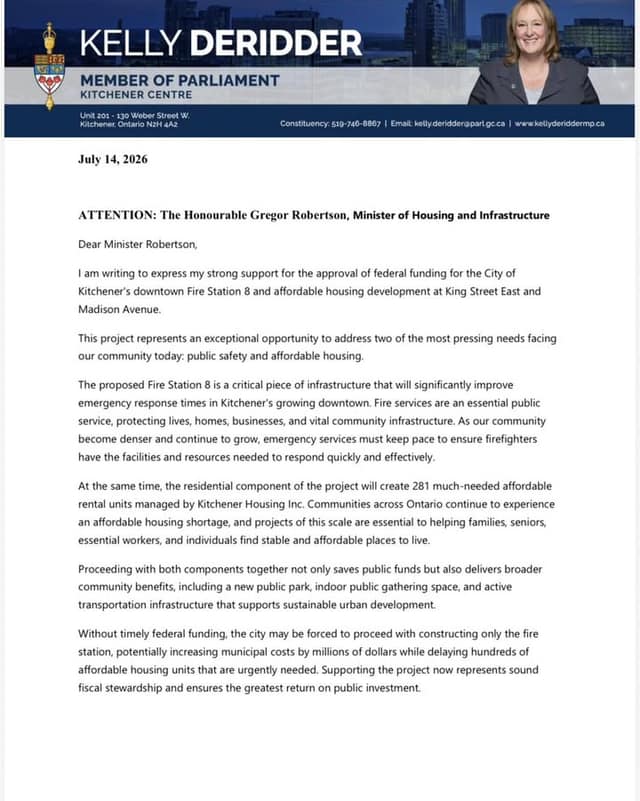
I've written to the Minister of Housing urging approval of federal funding for Kitchener's Fire Station 8 and affordable housing project. This investment would strengthen emergency services, create 281 affordable homes, and save taxpayers millions by building both together.

Facebook · July 11, 2026

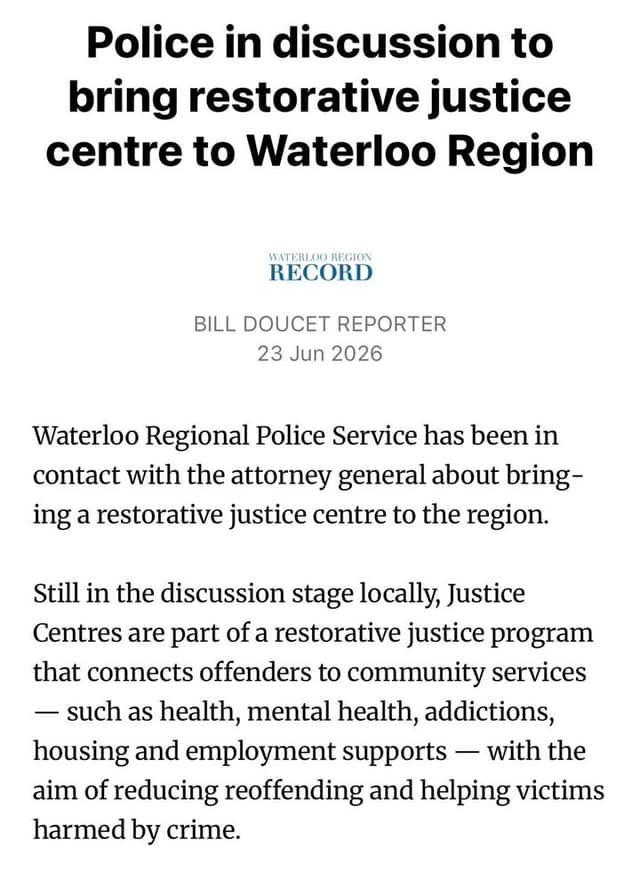
Breaking the cycle of crime means investing in accountability, healing, and rehabilitation. A restorative justice centre in Waterloo Region could help change lives, and the passage of Bill C-229 would be an important step toward making initiatives like this possible.

Facebook · July 6, 2026

Healing starts with hope, community, and people who refuse to give up. It was a privilege to visit the Oasis Centre and see the life-changing work being done to support those rebuilding their lives. Thank you to everyone making a difference every day.

Facebook · July 2, 2026

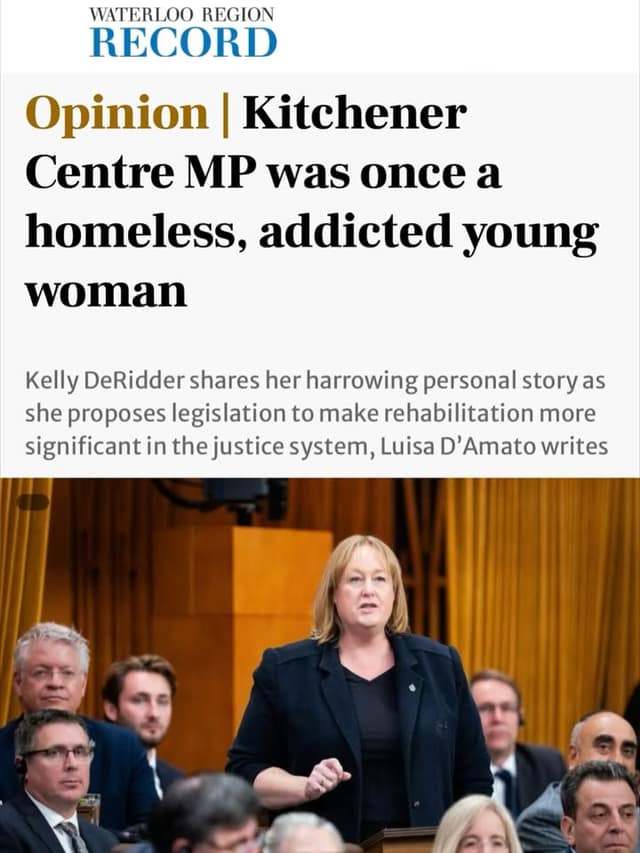
My story is not unique. Across Canada, there are people battling addiction who need support, accountability, and a path forward. That’s why I introduced Bill C-240, which would expand rehabilitation opportunities and help break the cycle of addiction and crime.

Facebook · June 29, 2026

WATCH! We are here for victims of crime, for public safety, and for justice. That’s why we continue to oppose the removal of mandatory minimum sentences for serious offences.

Facebook · June 23, 2026

We should never confuse tolerance with compassion. Leaving people homeless and trapped in addiction isn’t helping them. Compassion means offering a path to housing, recovery, and a chance to rebuild their lives.

Facebook · June 18, 2026

MOTION ON NOTICE Addiction should not be a life sentence. The status quo is failing. People are dying. Encampments are growing. Families are watching loved ones disappear into addiction. We don’t need more money spent managing addiction. We need existing funds redirected tow… Read more

ard treatment, recovery, and helping people rebuild their lives.

Facebook · June 17, 2026

Hate has no place in Waterloo Region. Thank you to everyone involved in the 5th Annual Snapshot of Hate for helping us better understand these challenges and work toward a more welcoming community for all. We will always remember the Afzaal family.

Facebook · June 16, 2026

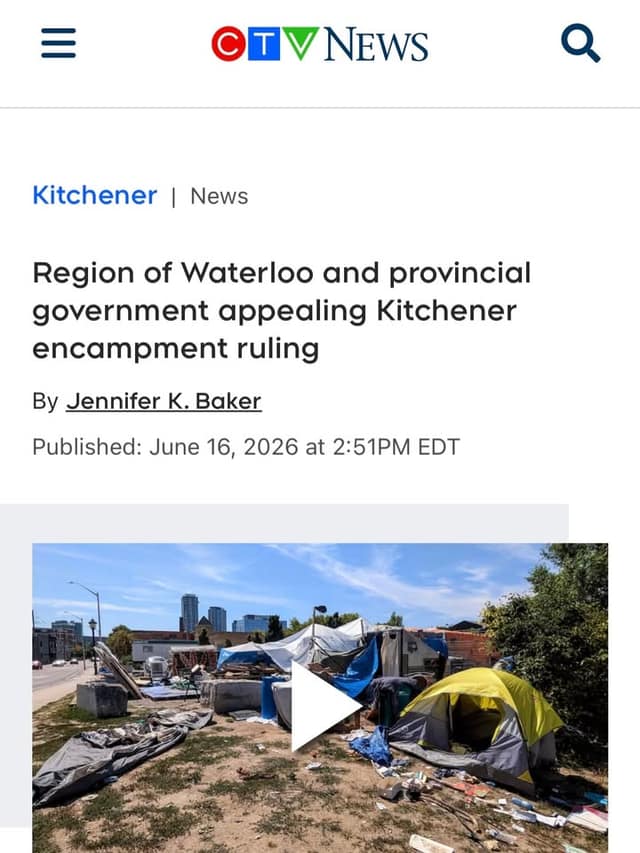
Addiction and homelessness are not moral failures. The Kitchener encampment ruling highlighted a difficult reality: we don’t have enough housing or recovery services. It’s time to invest more in treatment and recovery, and less in managing addiction indefinitely.

House of Commons · June 9, 2026

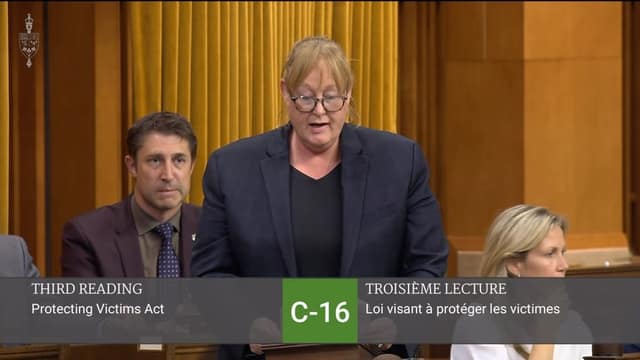
House of Commons: Government Orders — Protecting Victims Act

Mr. Speaker, I will be splitting my time with the member for Hamilton East—Stoney Creek. I rise today to speak to Bill C-16, the protecting victims act. The name of this bill sets a high standard. Protecting victims is the single most important part of any justice system. Canad… Read more

ians rightfully expect a system that supports those who have been harmed, protects the vulnerable and holds offenders accountable for their actions. Bill C-16 attempts to address a number of serious issues, including intimate partner violence, sexual exploitation, sexual violence, victims' rights and delays in our justice system. That expectation has not always been met in our justice system. Too often, victims feel like an afterthought. Too often, families are left waiting for justice. Too often, Canadians are left to wonder whether our justice system is putting the rights of offenders ahead of the safety of communities. Many Canadians saw that in a recent case in Kitchener, where a former neurologist was acquitted on 48 sexual assault charges. Dozens of victims gathered the courage to come forward and share their stories, and the justice system left them feeling unheard and brushed aside. We can agree in this place that it takes a tremendous amount of courage for a victim to come forward with their experience. When they do, it is important that we treat them with dignity, listen to their concerns and ensure that their voices are heard. That is why, when legislation like this comes forward, we must hold it to a high standard. There are parts of this bill that would be steps in the right direction. One of the biggest changes would be the creation of a new offence relating to coercive and controlling behaviours in intimate partner relationships. Many people think that the abuse begins when someone is physically assaulted, but it often starts long before that. It starts with manipulation, isolation and threats. It starts with controlling where a person goes, who they see, who they spend their time with, what they spend their money on or how they live their daily lives. These behaviours slowly chip away at one's independence and leave people feeling trapped in dangerous situations. By the time physical violence occurs, the warning signs may have been there for months, sometimes even years. Recognizing those warning signs in law is an important step. If interventions can come earlier, lives may be protected and future violence may be prevented. Another story from my riding is of a woman who was strangled by her husband in front of their daughter. Today, she and her daughter are living in a domestic violence shelter, trying to rebuild their lives and find safety, yet despite a guilty plea, the man responsible remains here in Canada illegally. When victims and their families are left in situations like this, they are left asking simple questions: Where is the accountability? That is why getting legislation like Bill C-16 is incredibly important. Victims need more than words. They need to know that the justice system will protect them, support them and hold offenders accountable for the harm that they have caused. This bill also includes measures aimed at combatting child exploitation. This, especially, is an area where Parliament should be united. Technology has created incredible opportunities but also real dangers. For all the parents in this place, we can agree that we are raising children in a world that looks very different from the one we grew up in. Predators can reach children so easily through social media, phones, computers and gaming platforms. These threats are real and our children need to be protected. This bill would also update the law surrounding intimate images and digitally altered sexual images. Whether an image is captured with a camera or generated with AI, the impact to victims is devastating. Reputations can be destroyed. Careers can be damaged. Mental health can suffer, and relationships can be affected. Victims deserve protection regardless of how that image was created. For many victims, navigating the justice system can be overwhelming while they are already dealing with the trauma that it has caused. They may not understand what is happening with their case or how decisions are being made. They may feel lost in a process that can seem focused on everyone except the victim. That needs to change. Victims deserve information and respect, and they deserve to know that they matter. The Conservatives have worked constructively on this bill. We supported measures that would better protect victims, address cohesive control, combat child exploitation and strengthen victims' rights. However, despite these positive measures, the bill also includes a major change to sentencing that deserves attention. The government says this change is about flexibility and discretion, but Canadians deserve to understand what it would actually do. This bill would allow a judge to bypass every mandatory minimum sentence in the Criminal Code, with a few exceptions. In other words, it would make mandatory sentences optional, and “mandatory” is not supposed to be optional. Why does this matter? It matters because mandatory minimum sentences exist for the most serious crimes. They represent the basis that certain crimes are so serious that there must be a minimum consequence when someone is convicted. It cannot be a suggestion. If a crime carries a mandatory minimum sentence, Canadians expect that to mean consistency and accountability across the board. There is no room for victims to wonder if the punishment will fit the crime. If mandatory sentences become optional, confidence in our justice system would be weakened even further. That is why the issue deserves serious attention. Our justice system already contains flexibility. Police officers use discretion when determining whether or not charges should be laid. Crown prosecutors exercise discretion when determining how cases should proceed. Prosecutors make decisions every day about what charges to pursue and what position to take before the court. When Parliament created a mandatory minimum sentence, it did so because Canadians expect a certain level of accountability for a serious crime, and we did not do that by accident. Canadians may disagree on what that line should be, but they understand that there should be a line. What they do not understand is why Parliament would establish a line and then create a way around it. I hear a lot of frustration from people in Kitchener Centre, and, frankly, from people across the country, about what feels like a growing gap between what the justice system says and what it actually does. People hear that a crime carries a mandatory minimum sentence, but then they find out that the sentence might not actually be mandatory. They hear that victims are the priority, but then they watch victims spend years navigating a system that feels confusing and overwhelming. They hear that public safety comes first, but then they read stories about repeat offenders just cycling through the justice system again and again. Whether those perceptions are fair or not, they are real, and public confidence matters. Our justice system depends on trust. People need to believe that the rules are applied fairly, that serious crimes are treated seriously and that victims matter, full stop. That is especially important when we are talking about crimes that leave lasting scars on victims, families and entire communities. The effects of violence do not end when a court case concludes. Victims carry those experiences for years. Children carry them for a lifetime. Families carry them for a lifetime. Anyone who has sat across from a victim of violence knows that the impact reaches far beyond the courtroom. Accountability matters, not because accountability can undo the harm it caused. It cannot. Accountability matters because it tells victims that society recognizes the seriousness of what happened to them, and it tells them their suffering matters. Canadians are increasingly concerned about public safety. Repeat offenders cycle through the system, and victims struggle to get justice, so why would we yet again weaken the consequences for offenders, while victims try to rebuild their life? Let us think about that. While victims are left traumatized, Parliament would create another pathway for offenders to avoid consequence. That is not what Canadians think of when they hear the words “protecting victims act”. Canadians want accountability. They want consequences. They want confidence that when Parliament says a sentence is mandatory, it actually means that it is mandatory. We want a justice system that protects victims while holding offenders accountable. I would like my community to know that I am not voting against protecting victims of intimate partner violence. I am not voting against protecting victims of child exploitation. I am not voting against victims of sexual violence. I am not voting against protecting victims' rights within delays in the justice system. What I am voting against is making mandatory minimums optional: clause 63. When it is eventually spun that I voted against protecting victims, please remember that I voted to ensure that victims are actually protected by ensuring that mandatory minimums remain, not as an option.

Facebook · June 4, 2026

Addiction has devastated families and communities across Canada. In this interview, we discuss Bill C-240, the importance of recovery-focused solutions, and why those struggling with addiction deserve a real path to healing.

House of Commons · June 1, 2026

House of Commons

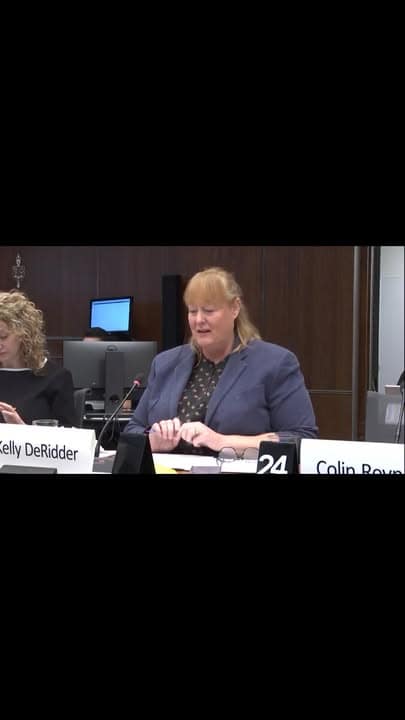
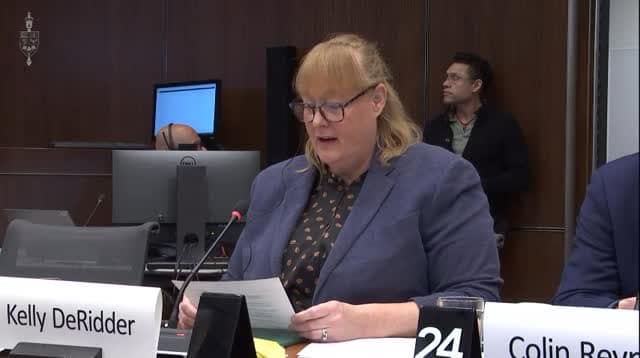
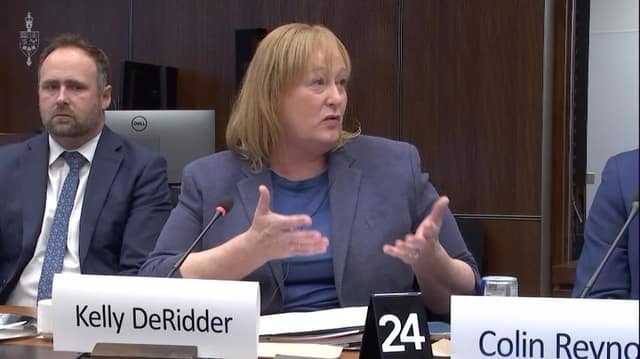
I'm going to start with Mr. Donais. Thank you for coming and sharing your story. From one person to another who slept on the streets, the more we talk about it, the more we'll make change in this country. I'm grateful for your courage and for your desire for a solution to what … Read more

we're seeing here in this country. One thing I think we haven't focused on yet today is how addiction surrounds homelessness and how it's a piece of the puzzle of what we're seeing in this country today. There is an encampment in Kitchener, where it was just ruled that the encampment is going to stay because housing needs to be provided, which you said is stifling progress. I agree with you, sir. Our office went and talked to 22 of those residents in that encampment, and of those 22, only one wasn't using. I think a piece of that is recovery services for addiction and focusing on your big, beautiful life on the other side of addiction. Can you just speak to how that transitional piece will help with focusing on stabilization and recovery for people trapped in addiction?

Help Kelly keep working for Kitchener Centre

Kelly's work in Ottawa is backed by volunteers and supporters here at home. A monthly donation of any size keeps the local team going, and political contributions earn a generous federal tax credit.