 Watch the video on Facebook
This is personal to me.
Behind my Private Member’s Bill, C-240 is heartbreak, loss and stories that are forever changed by drugs.
This is why I will keep fighting for change.
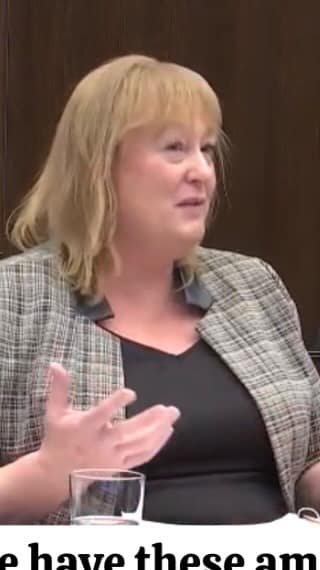
What Kelly says in this video
Automatic transcript; it may contain small errors.
This is not someone else's problem. This is ours. It's in our cities, our parks, our sidewalks. It's the son who never came home, the friend who stopped answering. Addiction doesn't start here and it doesn't start in a time. It starts with pain, with escape, with something that works until it doesn't. At first, it feels manageable, temporary, like something you can control. And then it takes everything. Your health, your family, your stability, and your sense of self. Piece by piece, it takes more of you than you ever meant to give. We've been told that this is just a way it is now. That the best we can do is manage it. But what if that's not true? We've built systems that keep people alive. We have to ask a harder question. Are we helping people live? Because survival is not the same as recovery. Harm reduction without a path forward is not hope. It's maintenance. It tells people, this is as far as you can go. But that is not true. People can recover fully, completely. Not just manage addiction, but break free from it. Real recovery is not easy. It requires structure, support, and accountability. It requires moving the substance entirely and rebuilding a life from the ground up. That's abstinence-based recovery. It gives people their minds back, their bodies back, their dignity back, and most importantly, it gives them their future. The goal is not just to keep someone alive today, it's to give them a life worth living tomorrow. But recovery doesn't happen on its own. It requires support, structure, and systems that don't give up on people halfway through. That's why legislation like Bill C-240 matters. My private members bill recognizes something simple. Our justice system should do more than punish. It should help people recover. Bill C-240 would give courts the ability to structure rehabilitation, treatment, education, and skills training. Not as an afterthought, but part of the sentence itself. Because if addiction is driving the crime and we ignore the addiction, we're not solving the problem. We're recycling it. Real accountability means helping people change. We can choose more than survival. We can choose recovery. We can choose healing. And we can build a system that believes people are worth saving. There's a big, beautiful, happy, healed life on the other side of addiction. With proper supports, people can experience this new life. Recovery is possible. I have recovered, so can you. I broke the cycle, so can you. I got my life back, so can you. I healed, so can you. I broke the cycle, so can you. I got my life back, so can you. I've recovered from substance abuse, and so can you. I have recovered, and so can you.