
Facebook · June 13, 2026
A fantastic start to the Bravehearts Premier League 2026 season! It was great to see 16 teams and 240 players come together at Laurentian Park. Best wishes to all participants for a successful season.

Your MP at Work
Kelly DeRidder's posts, videos and House of Commons speeches about her work for Kitchener Centre. Search by topic, or browse by month.
49 items match your filters.
Facebook · June 13, 2026
A fantastic start to the Bravehearts Premier League 2026 season! It was great to see 16 teams and 240 players come together at Laurentian Park. Best wishes to all participants for a successful season.
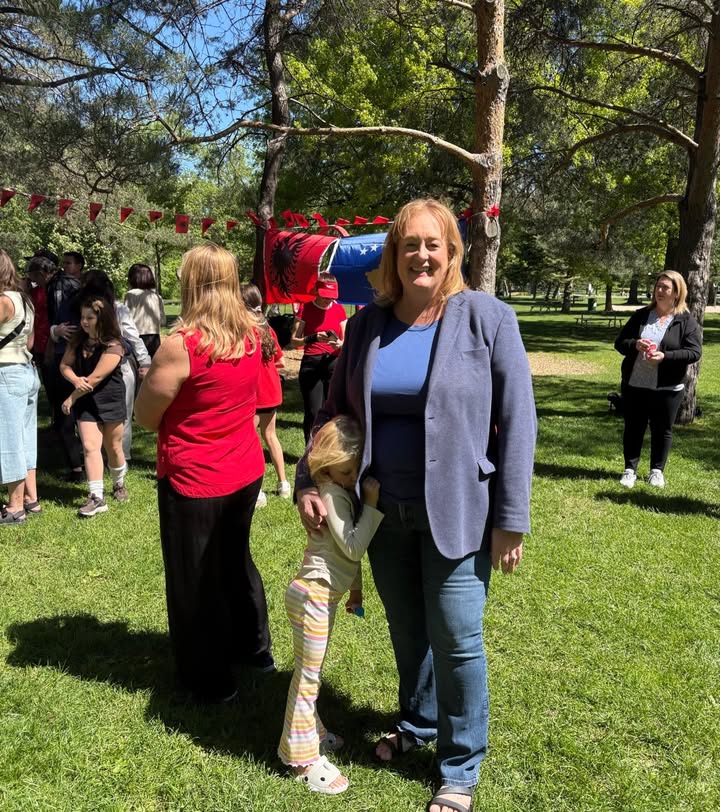
Facebook · June 11, 2026
Had some delicious food at the Albanian BBQ. Great food, great music and wonderful company! Thank you for the hospitality!
House of Commons · June 11, 2026
melessness? The wait-list for individuals over 55 needing affordable homes in the region has increased by 700%.
House of Commons · June 11, 2026
ial capacity and defence readiness?
House of Commons · June 11, 2026
430 Canadian companies developing dual-use technologies, yet few are supplying the Canadian government. Why is there such a significant gap between what Canadian firms are capable of providing and what government is actually procuring?

Facebook · June 10, 2026
failed housing policies. Conservatives will continue to work for seniors and all Canadians to have access to affordable housing across the country.

Facebook · June 10, 2026
Are you between 15 and 24 and looking to make a difference in your community? Applications for my Youth Council are now open! This is your chance to share ideas, build leadership skills, and help shape conversations on issues that matter to your generation.
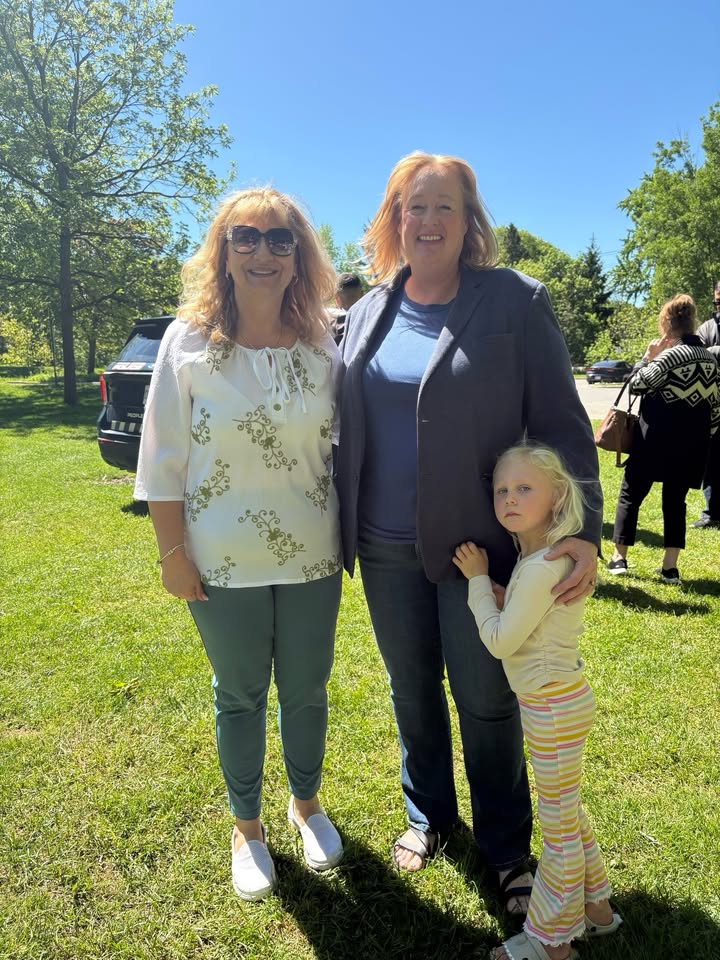
Facebook · June 10, 2026
Thank you for the warm welcome at the Romanian School’s year end celebration! It’s great to see students embracing language learning and cultural heritage through the @wr_dsb International and Indigenous Languages Program.
House of Commons · June 9, 2026
ians rightfully expect a system that supports those who have been harmed, protects the vulnerable and holds offenders accountable for their actions. Bill C-16 attempts to address a number of serious issues, including intimate partner violence, sexual exploitation, sexual violence, victims' rights and delays in our justice system. That expectation has not always been met in our justice system. Too often, victims feel like an afterthought. Too often, families are left waiting for justice. Too often, Canadians are left to wonder whether our justice system is putting the rights of offenders ahead of the safety of communities. Many Canadians saw that in a recent case in Kitchener, where a former neurologist was acquitted on 48 sexual assault charges. Dozens of victims gathered the courage to come forward and share their stories, and the justice system left them feeling unheard and brushed aside. We can agree in this place that it takes a tremendous amount of courage for a victim to come forward with their experience. When they do, it is important that we treat them with dignity, listen to their concerns and ensure that their voices are heard. That is why, when legislation like this comes forward, we must hold it to a high standard. There are parts of this bill that would be steps in the right direction. One of the biggest changes would be the creation of a new offence relating to coercive and controlling behaviours in intimate partner relationships. Many people think that the abuse begins when someone is physically assaulted, but it often starts long before that. It starts with manipulation, isolation and threats. It starts with controlling where a person goes, who they see, who they spend their time with, what they spend their money on or how they live their daily lives. These behaviours slowly chip away at one's independence and leave people feeling trapped in dangerous situations. By the time physical violence occurs, the warning signs may have been there for months, sometimes even years. Recognizing those warning signs in law is an important step. If interventions can come earlier, lives may be protected and future violence may be prevented. Another story from my riding is of a woman who was strangled by her husband in front of their daughter. Today, she and her daughter are living in a domestic violence shelter, trying to rebuild their lives and find safety, yet despite a guilty plea, the man responsible remains here in Canada illegally. When victims and their families are left in situations like this, they are left asking simple questions: Where is the accountability? That is why getting legislation like Bill C-16 is incredibly important. Victims need more than words. They need to know that the justice system will protect them, support them and hold offenders accountable for the harm that they have caused. This bill also includes measures aimed at combatting child exploitation. This, especially, is an area where Parliament should be united. Technology has created incredible opportunities but also real dangers. For all the parents in this place, we can agree that we are raising children in a world that looks very different from the one we grew up in. Predators can reach children so easily through social media, phones, computers and gaming platforms. These threats are real and our children need to be protected. This bill would also update the law surrounding intimate images and digitally altered sexual images. Whether an image is captured with a camera or generated with AI, the impact to victims is devastating. Reputations can be destroyed. Careers can be damaged. Mental health can suffer, and relationships can be affected. Victims deserve protection regardless of how that image was created. For many victims, navigating the justice system can be overwhelming while they are already dealing with the trauma that it has caused. They may not understand what is happening with their case or how decisions are being made. They may feel lost in a process that can seem focused on everyone except the victim. That needs to change. Victims deserve information and respect, and they deserve to know that they matter. The Conservatives have worked constructively on this bill. We supported measures that would better protect victims, address cohesive control, combat child exploitation and strengthen victims' rights. However, despite these positive measures, the bill also includes a major change to sentencing that deserves attention. The government says this change is about flexibility and discretion, but Canadians deserve to understand what it would actually do. This bill would allow a judge to bypass every mandatory minimum sentence in the Criminal Code, with a few exceptions. In other words, it would make mandatory sentences optional, and “mandatory” is not supposed to be optional. Why does this matter? It matters because mandatory minimum sentences exist for the most serious crimes. They represent the basis that certain crimes are so serious that there must be a minimum consequence when someone is convicted. It cannot be a suggestion. If a crime carries a mandatory minimum sentence, Canadians expect that to mean consistency and accountability across the board. There is no room for victims to wonder if the punishment will fit the crime. If mandatory sentences become optional, confidence in our justice system would be weakened even further. That is why the issue deserves serious attention. Our justice system already contains flexibility. Police officers use discretion when determining whether or not charges should be laid. Crown prosecutors exercise discretion when determining how cases should proceed. Prosecutors make decisions every day about what charges to pursue and what position to take before the court. When Parliament created a mandatory minimum sentence, it did so because Canadians expect a certain level of accountability for a serious crime, and we did not do that by accident. Canadians may disagree on what that line should be, but they understand that there should be a line. What they do not understand is why Parliament would establish a line and then create a way around it. I hear a lot of frustration from people in Kitchener Centre, and, frankly, from people across the country, about what feels like a growing gap between what the justice system says and what it actually does. People hear that a crime carries a mandatory minimum sentence, but then they find out that the sentence might not actually be mandatory. They hear that victims are the priority, but then they watch victims spend years navigating a system that feels confusing and overwhelming. They hear that public safety comes first, but then they read stories about repeat offenders just cycling through the justice system again and again. Whether those perceptions are fair or not, they are real, and public confidence matters. Our justice system depends on trust. People need to believe that the rules are applied fairly, that serious crimes are treated seriously and that victims matter, full stop. That is especially important when we are talking about crimes that leave lasting scars on victims, families and entire communities. The effects of violence do not end when a court case concludes. Victims carry those experiences for years. Children carry them for a lifetime. Families carry them for a lifetime. Anyone who has sat across from a victim of violence knows that the impact reaches far beyond the courtroom. Accountability matters, not because accountability can undo the harm it caused. It cannot. Accountability matters because it tells victims that society recognizes the seriousness of what happened to them, and it tells them their suffering matters. Canadians are increasingly concerned about public safety. Repeat offenders cycle through the system, and victims struggle to get justice, so why would we yet again weaken the consequences for offenders, while victims try to rebuild their life? Let us think about that. While victims are left traumatized, Parliament would create another pathway for offenders to avoid consequence. That is not what Canadians think of when they hear the words “protecting victims act”. Canadians want accountability. They want consequences. They want confidence that when Parliament says a sentence is mandatory, it actually means that it is mandatory. We want a justice system that protects victims while holding offenders accountable. I would like my community to know that I am not voting against protecting victims of intimate partner violence. I am not voting against protecting victims of child exploitation. I am not voting against victims of sexual violence. I am not voting against protecting victims' rights within delays in the justice system. What I am voting against is making mandatory minimums optional: clause 63. When it is eventually spun that I voted against protecting victims, please remember that I voted to ensure that victims are actually protected by ensuring that mandatory minimums remain, not as an option.
House of Commons · June 8, 2026
of the pharmaceutical world. For example, penicillin and Ozempic were both Canadian inventions, but we didn't retain the IP and didn't see the economic impact. I appreciate my colleagues' questions, as well, about Canadians being unsure of AI and what the future holds. IP retention, in the future, is a very critical component to ensure that we see the economic impact of AI and digital innovation moving forward. Do you see a strong strategy and plan, right now, from the scientific standpoint, to ensure that our universities and researchers are educating our entrepreneurs and developers on the importance of IP retention for Canadian economic impact?
House of Commons · June 8, 2026
ategy that the minister just came out with. Kitchener Centre has been long recognized as Canada's innovation capital with our research, our start-ups and our innovators. From your perspective, how can our government do better to ensure that regions like this are better included in development and commercialization in Canada?
House of Commons · June 8, 2026
and I see that we lag in commercialization. From a scientific and innovation standpoint, what barriers continue to prevent Canadian discoveries from becoming Canadian companies and Canadian jobs?
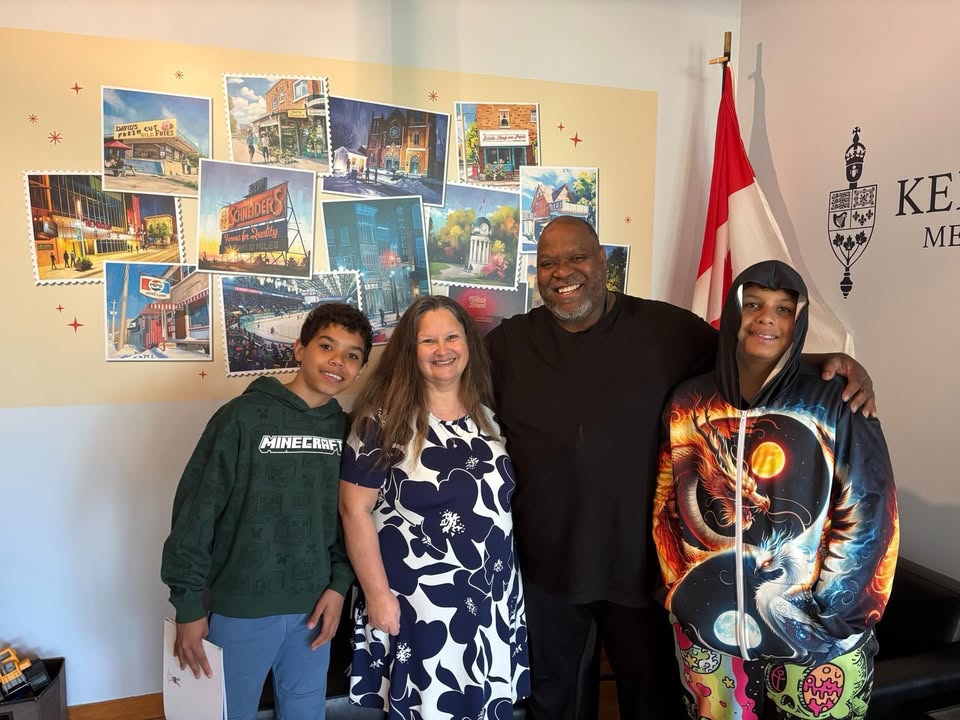
Facebook · June 7, 2026
Always great to hear from constituents we’ve been able to help. Thank you for stopping by after our office assisted with a CRA matter. Need help with a federal program? Contact our office anytime.
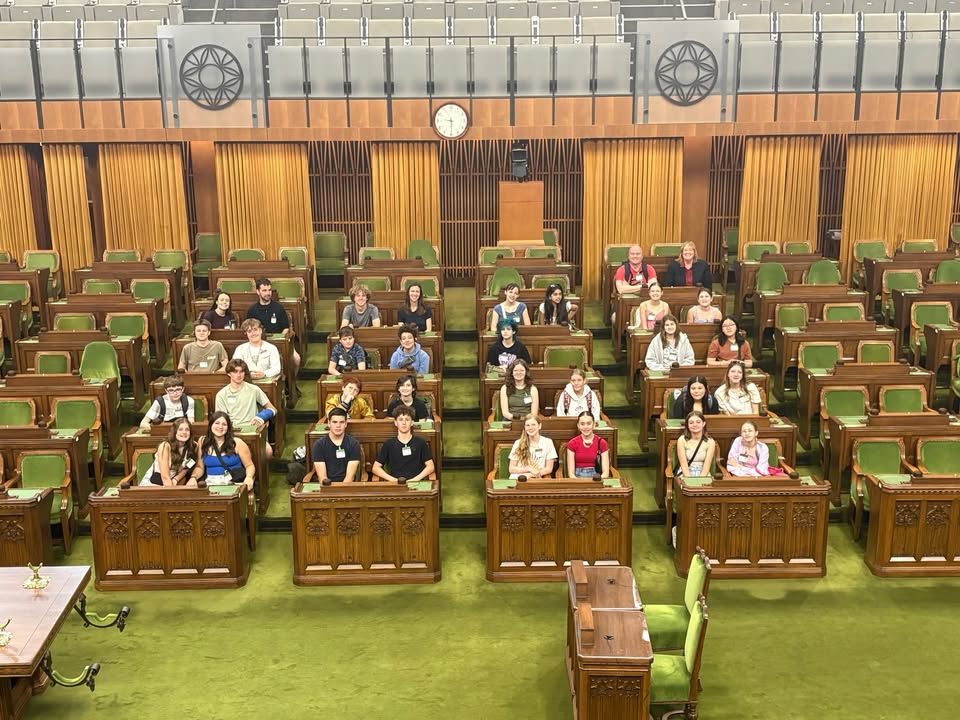
Facebook · June 6, 2026
Great welcoming students from Rockway Mennonite Collegiate to Parliament Hill for a tour of the House of Commons and some great conversations about Canadian democracy.
Facebook · June 6, 2026
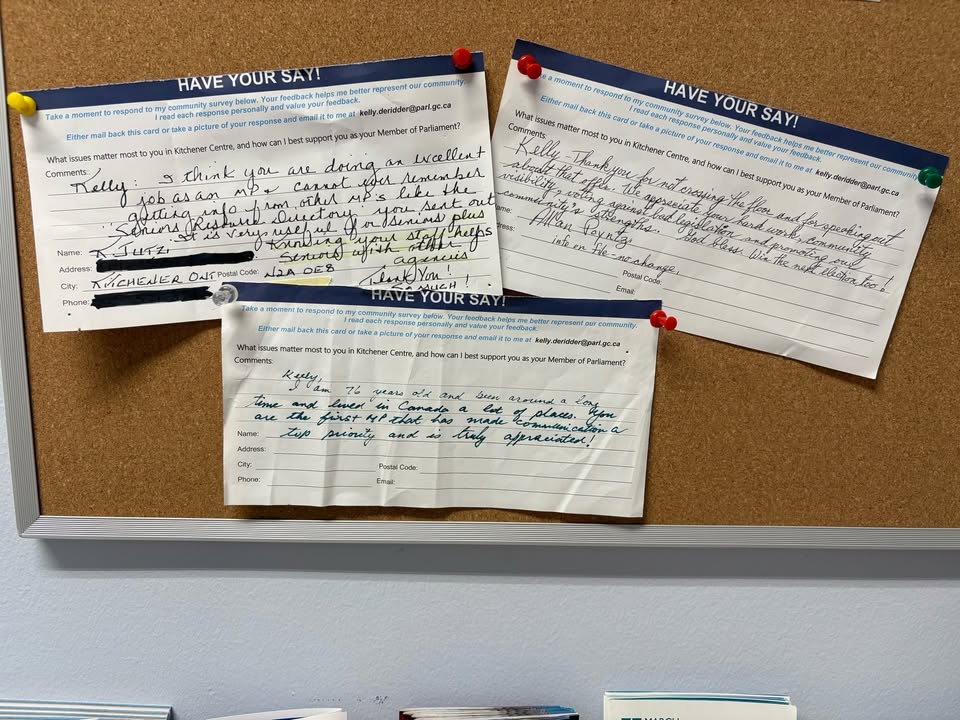
Today is a good day, sometimes the positive feedback comes at a time, when needed most. Thank you. We will continue to work for the community day in and day out.

Facebook · June 4, 2026
Addiction has devastated families and communities across Canada. In this interview, we discuss Bill C-240, the importance of recovery-focused solutions, and why those struggling with addiction deserve a real path to healing.

Facebook · June 3, 2026
This Saturday, I’ll be taking part in LemonAID Day to support local children and families through FACS Foundation. Every donation helps provide opportunities for kids to attend camp and participate in recreational programs right here in our community.🍋
Facebook · June 3, 2026
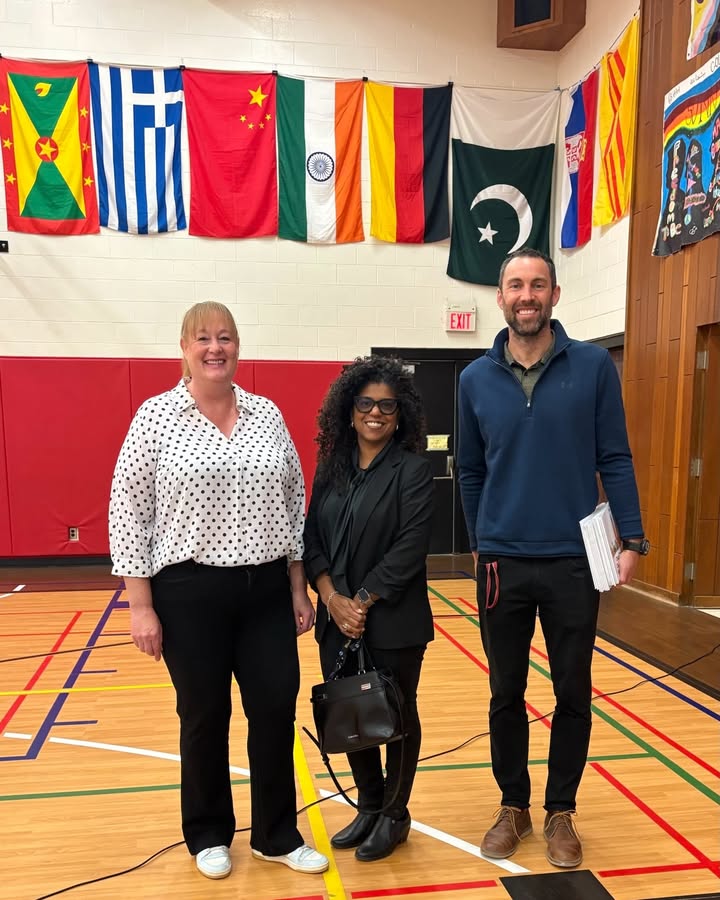
Had the opportunity to tour @sunnysideps and chat with students! We couldn’t take photos of them, but the grade 8 students asked amazing questions. I’m very thankful for our conversation.
Facebook · June 3, 2026
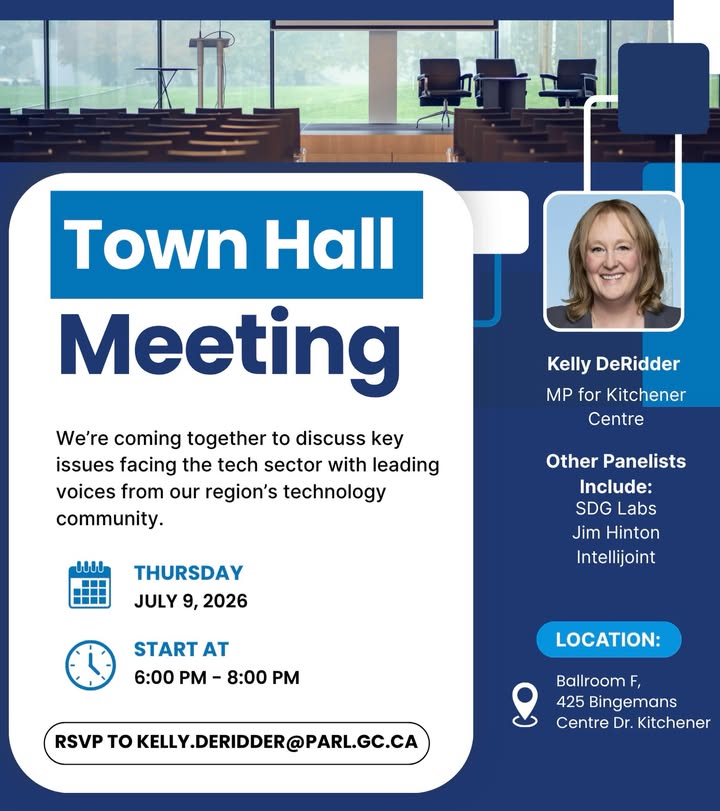
Join us on July 9 for our Tech Townhall! Our panelists include Jim Hinton, Intellijoint, SDG Labs and more! RSVP through the link in bio!
House of Commons · June 2, 2026
s like The Registry Theatre, which bring people together at a local level. What do you think about the future of Canada's creative sector, and how important are community-based cultural spaces?
Facebook · June 2, 2026
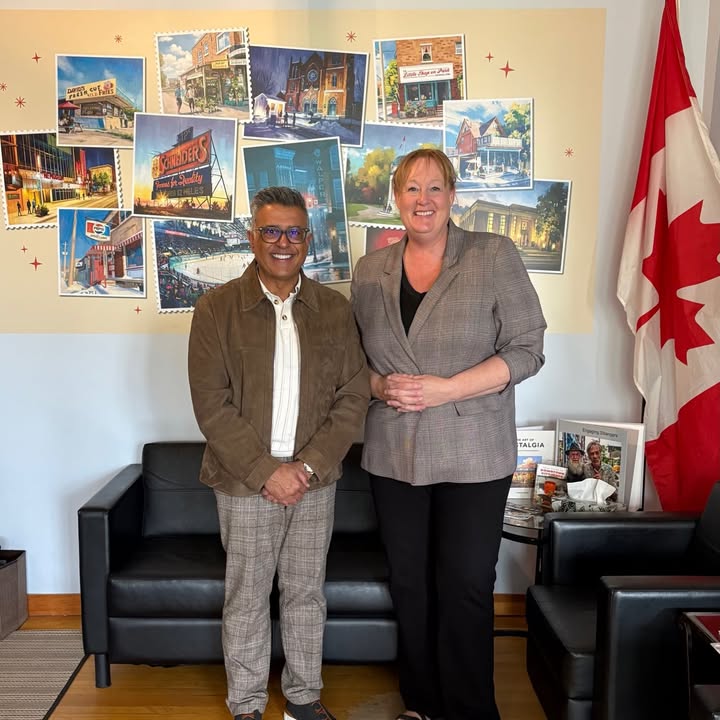
Great meeting with local realtor Faisal Susiwala to talk about housing, affordability, and the challenges many families are facing in Kitchener Centre. Always valuable hearing directly from people working on the front lines of our community.
House of Commons · June 1, 2026
we're seeing here in this country. One thing I think we haven't focused on yet today is how addiction surrounds homelessness and how it's a piece of the puzzle of what we're seeing in this country today. There is an encampment in Kitchener, where it was just ruled that the encampment is going to stay because housing needs to be provided, which you said is stifling progress. I agree with you, sir. Our office went and talked to 22 of those residents in that encampment, and of those 22, only one wasn't using. I think a piece of that is recovery services for addiction and focusing on your big, beautiful life on the other side of addiction. Can you just speak to how that transitional piece will help with focusing on stabilization and recovery for people trapped in addiction?
Facebook · June 1, 2026
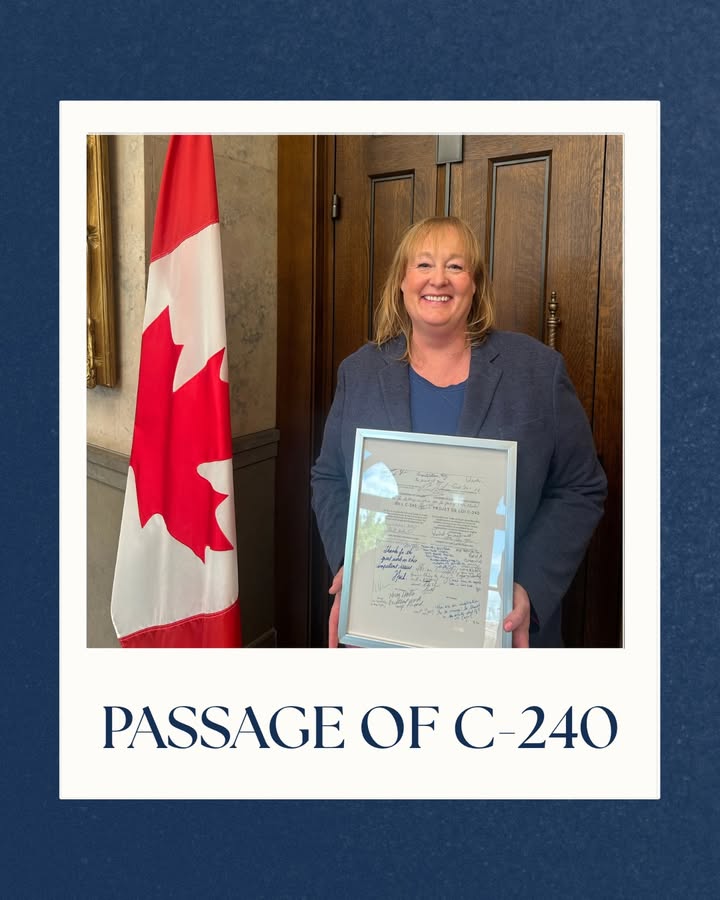
My Private Members Bill, Bill C-240 passed the House of Commons at second reading unanimously. Thank you to all MPs for supporting this important piece of legislation.
House of Commons · June 1, 2026
oday. I thank the Bloc Québécois members as well, so very much, for speaking to this bill and showing their support for it. I think the most important thing that we need to do at this point in time is reverse course in Canada. We need to start focusing on recovery and rehabilitation because people can and do recover. There is an encampment in Kitchener where we are quite literally killing people with kindness right now. In this encampment, five people have died from overdose, and it is time now that all levels of government came together and jointly worked together to fix this crisis in Canada. It is time to reverse course. Bill C-240 is the first step, introducing rehabilitation into incarceration. At least when someone has to be accountable for their actions, they would have a path forward when they are serving their time, to change their life, break cycles and turn their life around. We need to do this in Canada before incarceration, as well, so I am standing here today to thank members for their support in the House for Bill C-240 but also to declare that this is a pivotal moment in Canada. It is time now to concentrate on recovery and rehabilitation because on the other side of recovery is a happy, beautiful, healed and healthy life. Every single person who is struggling with addiction deserves that life, and it is time we helped them get there.
Kelly's work in Ottawa is backed by volunteers and supporters here at home. A monthly donation of any size keeps the local team going, and political contributions earn a generous federal tax credit.