Kelly DeRidder, Member of Parliament for Kitchener Centre, believes addiction should never be a life sentence. She puts recovery at the center of her work on the drug crisis. Her Private Member's Bill, C-240, the Offender Rehabilitation Act, would expand rehabilitation opportunities and support abstinence-based recovery for offenders. Its goal is to help break the cycle of addiction and repeat crime. Kelly has spoken about the bill in the House of Commons and in interviews. She has also shared that she once experienced homelessness and addiction in Victoria Park.

Kelly's work is rooted in the community too. She toured the new HART Hub run by Community Healthcaring Kitchener-Waterloo, an abstinence-based place for people working toward recovery and stable housing. She also visited the Oasis Centre to see its support for people rebuilding their lives. She has spoken about how a restorative justice centre in Waterloo Region could help change lives, and how Bill C-229 could help make projects like it possible. She has also thanked police partners for their work against fentanyl trafficking.

Kelly also speaks about encampments in Kitchener and calls for clear paths to housing, treatment and recovery. Below are her latest posts, videos and House of Commons speeches on this issue.

95 posts, videos and speeches.

Facebook · December 12, 2025

It was an honour of a lifetime being the voice for Kitchener Centre in Parliament this fall. From fighting for affordability and an end to the drug crises, to championing Bailey’s Law for victims of intimate partner violence, and pushing for a sovereign AI strategy to protect C… Read more

anadian innovation. Grateful for your confidence and trust. Together, we’ll keep building a stronger, safer Kitchener Centre. #kitchener #kitchenercentre #parliament

Facebook · December 10, 2025

Too often the drug crisis gets overshadowed in this country. We cannot be silent on this issue, abstinence based rehabilitation needs to be at the forefront of this government’s plan to solve this crisis. Unfortunately, mental health and addictions is mentioned just once in t… Read more

he budget, only to say much needed funding is ending. #kitchener #rehabilitation

YouTube · December 7, 2025

Bill C‑240: Rehabilitation & Safety

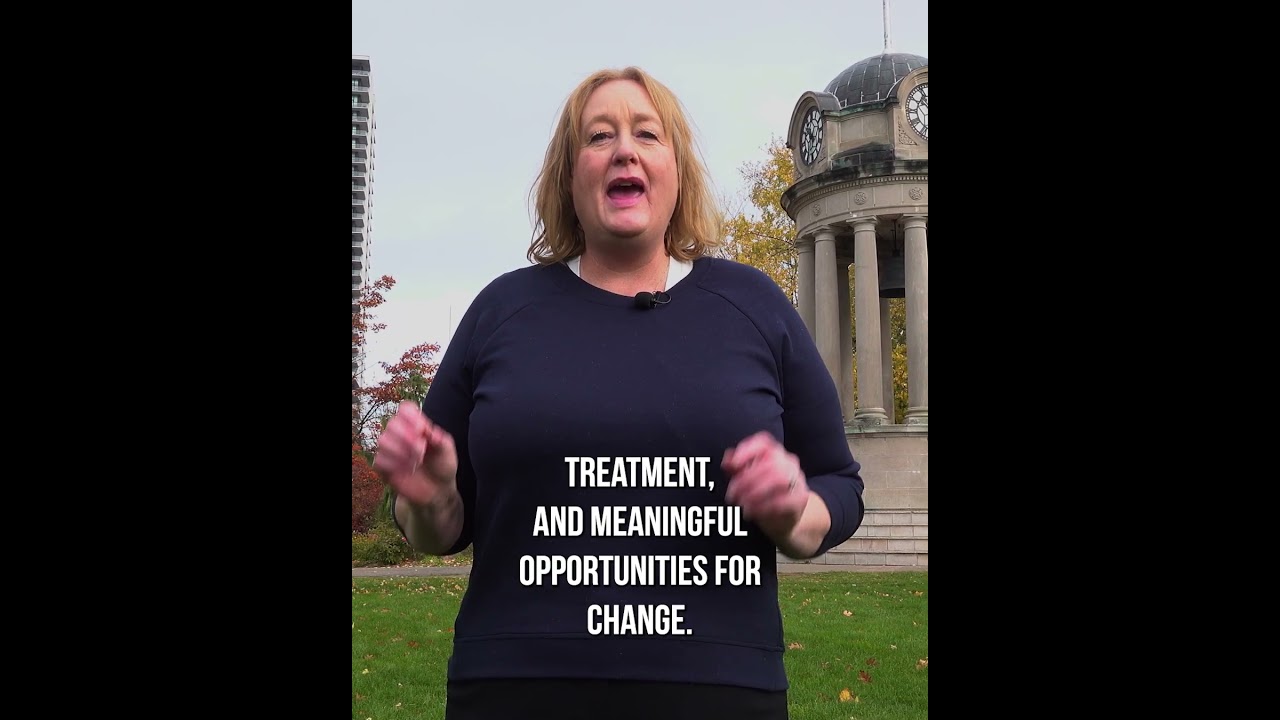
As you Member of Parliament, I sponsored Bill C‑240 as my private member’s bill because I believe rehabilitation shouldn’t wait until release. This legislation ensures that courts connect custody with education, treatment, and meaningful opportunities for change. It’s a smart app… Read more

roach to justice—one that keeps communities like Kitchener Centre safer while helping individuals turn their lives around. Connecting custody with rehabilitation is key for safer communities.

Facebook · December 3, 2025

I will tell this House exactly what Conservatives stand for: End the failed experiment of tax-payer funded “safe supply” that keeps people trapped in addiction and focus on abstinence based rehabilitation; take the billions we are spending to manage misery and invest them inste… Read more

ad in 50,000 real treatment beds, medical detox, and recovery housing; and sue the drug companies that flooded our country with poison to help pay for it. It’s time to bring our loved ones home, drug free. #rehabilitation #addictionrecovery #hope

Facebook · December 1, 2025

Our community is hurting. First responders are overwhelmed. Youth overdoses are rising. Kitchener families are fed up. This new federal budget only mentions mental health and addictions once and it’s to recognize that much needed funding is ending. The Conservative plan offers … Read more

hope that things can change for those suffering from addiction: End the failed experiment of taxpayer-funded “safe supply” that keeps people trapped in addiction and focus on abstinence based rehabilitation; take the billions we are spending to manage misery and invest them instead in 50,000 real treatment beds, medical detox, and recovery housing; and sue the drug companies that flooded our country with poison to help pay for it. It’s time to bring our loved ones home, drug free. #recovery #addiction #hope

House of Commons · November 27, 2025

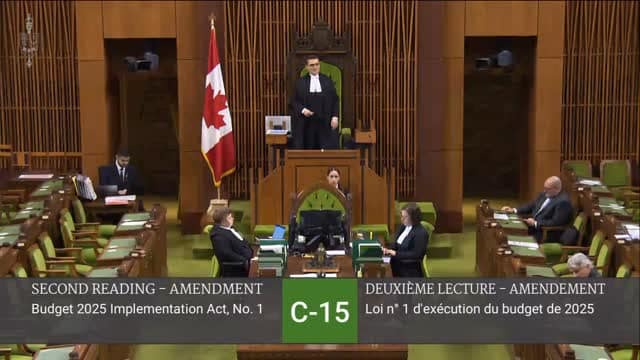
House of Commons: Government Orders — Budget Implementation Act, No. 1

Mr. Speaker, my colleague is right that this is a nationwide crisis. This is not just on my doorstep; it is on the doorstep of every single of us sitting in this House. When I was speaking with people when I was door knocking in my community, I do not think there was one family … Read more

I talked to that was not affected, either directly or indirectly, by the drug crisis. That is just in my community. I know that every single one of the seats in this House represents communities that are the same. We need to start doing something about this.

House of Commons · November 27, 2025

House of Commons: Government Orders — Budget Implementation Act, No. 1

Mr. Speaker, it was more than five years ago that the federal government launched its so-called safe supply. It was more than five years ago that it decided the answer to this growing drug crisis was to use federal taxpayer dollars to expand access to hard drugs, not treatment, n… Read more

ot recovery and not healing, just drugs. After a half a decade of chaos and heartbreak and $1 billion spent, what did the Liberals decide to do? In this budget, they chose to walk away. They chose to let mental health and addiction support funding expire, with no plan to renew it, no plan to replace it and no plan to help Canadians who are living through the consequences of the policies the Liberals championed. They are passing the responsibility to the provinces and municipalities, claiming it is not their jurisdiction. They should have had that same mindset before starting the safe supply experiment. They are pretending their decisions had nothing to do with the crisis Canadians are facing today. The government set fire to the barn, and now it is walking away hoping for someone else to put out the flames. The human toll of this drug crisis is being borne in large part by those we ask to save lives: our first responders. Recent reporting from CityNews shows the scale of what they are facing. The Vancouver Fire Rescue Services recently answered 54 overdose incidents in one day, the highest number of overdose responses ever recorded by that department. These are not rare, isolated events. In 2024, the average was between 20 and 25 daily overdose calls. In the Waterloo region, we just had to put out an overdose safety awareness alert this week. Meanwhile, an article from Canadian Affairs showcases what paramedics, firefighters and other frontline workers, like our nurses, are describing as their mental health and moral injury trauma, not from overdoses but from the endless cycle of drug-related emergencies they are powerless to resolve. One paramedic candidly described attending calls day after day for the same individuals, often without any resources to offer any long-term help. These are not merely medical emergencies; these are social emergencies rooted in addiction, homelessness and untreated mental illness, yet first responders regularly arrive at scenes where there is nowhere safe to send people, no capacity for long-term treatment and no effective wraparound supports. There is no durable strategy from the federal government to address the root causes. Essentially, we are sending paramedics and firefighters to fight a crisis that requires structural solutions while giving them nothing but repetition, burnout and trauma. Addictions and mental health are mentioned exactly once in this budget, only to say the funding is ending. Another vulnerable group being affected by this crisis is our youth. They are now suffering deeply from this drug crisis. The data shows the trend is worsening. Even the CBC has recently reported that doctors in London, Ontario, are seeing alarming numbers of youth, some as young as early teens, using opioids and other substances. Another CityNews report highlights that non-medical prescription opioid use among students jumped 10% in two years. Given all that, does it make sense for the solution to be funding opioids with taxpayer dollars? Given this information, the common-sense solution would be to crack down on illicit drug networks and use taxpayer dollars to help fund abstinence-based recovery treatment. We are witnessing rising drug use, rising overdose risk and growing addiction among youth, many of whom started using as children, yet we still lack the infrastructure, resources and political will to properly treat them. Addictions and mental health are mentioned exactly once in this budget, only to say the funding is ending. The scale of loss in Canada's drug crisis defies comprehension. According to the federal government's own data, 53,821 Canadians have died from an overdose since 2016. To put that into perspective, Canada lost approximately 45,000 soldiers in World War II. This country has now lost more people to the drug crisis than we lost in the entirety of the Second World War. Let that sink in. Let us think about this. A global conflict that spanned continents and years took fewer Canadian lives than drugs, untreated addiction and government failure, and despite the staggering loss and the fact that we are losing more Canadians to addiction than one of the deadliest conflicts in our history, the government has chosen to put zero new funding, zero new programs and zero new hope in this budget for mental health and addictions. Communities are grieving at a wartime scale. Families are burying loved ones at a larger-than-wartime scale, and the federal government is responding with silence. Addictions and mental health are mentioned exactly once in this budget, and that is to say the funding is ending. These are all national examples of how out of hand this drug crisis has gotten, but unfortunately, my community of Kitchener has not dodged it. This crisis is not abstract to the people of Kitchener. It is lived daily. Our downtown core, once vibrant, busy and safe, is struggling. Small businesses are reporting lower foot traffic, rising theft, property damage and incidents that make customers and staff feel unsafe. Restaurants, cafés and shops told me directly that patronage is down because people no longer feel comfortable bringing their families downtown. These small businesses are not just storefronts; they are jobs, community anchors and part of what makes our cities home. They are asking for leadership from the federal government. They are asking for mental health supports, treatment options and real solutions, not half measures and not abandonment, yet addictions and mental health are mentioned exactly once in this budget, and that is to say the funding is ending. I have had numerous constituents write to me echoing the same thing: not feeling safe downtown and feeling disappointed that this is what has become of their once vibrant and safe community. One wrote to me recently describing what their family faces every day living near Weber Street. They said that every single day, they see something that they are amazed is even allowed in their community. They said just up the road is a hotel filled with homeless individuals, including children, living in conditions where drugs are openly used. They once witnessed a woman shooting up right in front of the window of the Pluto Day Care in broad daylight while children played inside. Another constituent wrote that after a recent decision allowing the Victoria Street and Weber Street encampment to remain, they have lost all hope in the downtown core. They wonder why they must follow every bylaw, shovel their walkway and keep their property safe and clean while others' rights extend beyond theirs. What about the rest of Kitchener citizens? They ended with some sentences that no Canadian should ever have to say. They said this has become their new normal. They said this is downtown and they want to feel safe again. They do not know why their family does not matter anymore. Let me be clear. This is not the fault of people struggling with addictions and mental illness. They are Canadians in pain, deserving of compassion, treatment and a real chance at recovery. However, the families in Kitchener, families watching their community deteriorate, are feeling unheard and abandoned. The government set fire to the barn, and now it is walking away hoping for someone else to put out the flames. Well, I am proud to stand here and say that Conservatives will step up and put out the flames. I am here to tell Canadians that they do not have to suffer and that there is hope in abstinence-based rehabilitation. The Conservative plan offers a clear path out of this: end the failed experiment of safe supply and take the billions we are spending to perpetuate misery and invest it into 50,000 real treatment beds, medical detox and recovery housing. We owe our youth more than safe supply and body bags. We owe our first responders more than burnout and despair. We owe the 53,000 already lost more than just a budget announcing that it is going to end. Every Canadian life is worth fighting for, and it is time to bring Canadians home drug-free.

Facebook · November 25, 2025

Community Alert – Waterloo Region There has been a rise in overdoses reported in our community. This crisis is not okay, and it’s a reminder of how urgent and serious the situation is. Please keep an eye on your loved ones, check in on friends and neighbours, and share this … Read more

message so more people are aware. Together, we can look out for one another and help prevent further harm.

Facebook · November 24, 2025

Connecting custody with rehabilitation is key for safer communities. That’s why I sponsored Bill C-240 as my Private Members Bill. #rehabilitation #hope #kitchener

Facebook · October 29, 2025

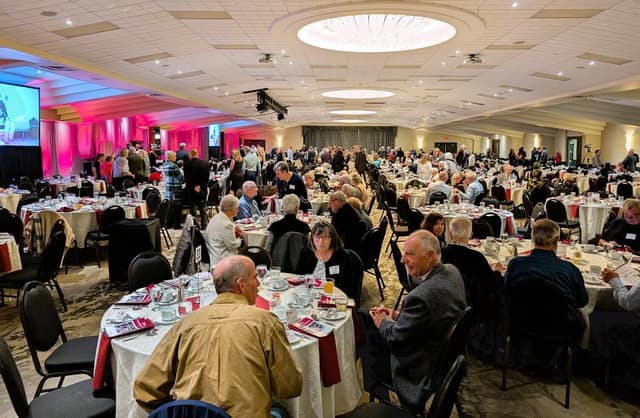
An Unforgettable Night Honouring John Neufeld and the House of Friendship. Last weekend, we gathered to celebrate a true pillar of our community, John Neufeld, and the extraordinary work of the House of Friendship. It was an evening filled with gratitude, reflection, and inspira… Read more

tion. For years, John has led with compassion, vision, and unwavering commitment to building a more inclusive and caring Kitchener. Under his leadership, the House of Friendship has become a beacon of hope for thousands, providing shelter, food, addiction treatment, and support to those who need it most. Their work is more than service delivery; it’s about restoring dignity, building community, and creating pathways to a better future. Whether it’s helping someone find stable housing, access mental health supports, or rebuild their life, the House of Friendship is there, day in and day out, with open arms and open hearts. John’s legacy is one of empathy and action. His impact will be felt for generations, and his example will continue to guide us as we work together to build a more just and compassionate society. Thank you, John, and thank you to everyone at the House of Friendship. You remind us what it means to truly care for one another.

House of Commons · October 20, 2025

House of Commons

Thank you so much. Dr. Stinson, I was going to go down one path of questioning, but then you mentioned something that made me completely alter my thoughts here. You said that “one in 10” patients “is colonized with at least one” antibiotic-resistant organism during their stay in… Read more

hospital. You're very community-focused, and you're right in my community in Kitchener, so I have some community questions for you. What has this drug crisis in Kitchener contributed to the spread in the transmission of AROs in our community?

Facebook · October 12, 2025

Great to be on CBC K-W, The Morning Edition with Craig Norris to talk about my Private Members Bill, Bill C-240, the Offender Rehabilitation Act. My bill would: •Allow court-ordered rehabilitation measures for offenders •Permit stricter penalties for fentanyl traffickers •Inclu… Read more

de rehabilitation progress in parole decisions Bill C-240 is a non-partisan bill that will help Canadians get the help they need while at the same time, go after fentanyl kingpins who destroy our communities.

House of Commons · October 6, 2025

House of Commons

My question is for you, Herman, but I'll open up the floor to anyone who might be able to support the data part of what I'm going to ask. Herman, you mentioned that there's an environmental factor to infectious disease, that we need to monitor our waste water and that it will le… Read more

ad to food insecurity as well. We do know that the homeless population is more at risk for infectious disease. That includes those who are struggling with addiction. In my riding in Kitchener, I was driving by one of our encampments over the summer. Someone had passed in the encampment. I was deeply saddened by their passing, but I was even more saddened by the fact that those cleaning up his area were dressed in full haz-mat. In another story from my riding, a lady lost her son because he injected with water from our Grand River. He got an infectious disease straight from our river when he injected with that water. We've lost 53,000 people to this opioid crisis that we're facing right now. That's more people than we lost in World War II. It just seems that these failed social experiment policies are leading to more deaths in our country. I have two questions: How is this drug crisis today contributing to the infectious disease increase in Canada, and do you have any data on the actual AMR deaths contributing to what we're facing in Canada today?

Facebook · October 5, 2025

Making Home Project 97 Victoria Street 97 Victoria Street represents a step in the right direction. I recognize the importance of creating spaces that offer dignity and stability to those experiencing homelessness. But housing alone is not enough. If we are serious about helpi… Read more

ng people rebuild their lives, we must invest in accessible, immediate mental health and addiction treatment services. We need more beds, more supports, and a system that responds with urgency when someone says, ‘I’m ready to change.’ That’s the kind of rehabilitation-first approach I want to see us build across this country.

Facebook · September 25, 2025

September 25, 2025 FOR IMMEDIATE RELEASE Ottawa, ON – Kelly DeRidder, Conservative Member of Parliament for Kitchener Centre, seconded by Conservative MP Todd Doherty, introduced Private Member’s Bill C-240: Bill C-240 aims to amend the Criminal Code to empower judges to prescr… Read more

ibe structured rehabilitation programs for individuals whose offences stem from circumstances that can be addressed through skill development, education and recovery as part of a holistic healing process. “Our justice system must do more than punish - it must also heal,” said MP DeRidder. “Bill C-240 empowers courts to prescribe structured rehabilitation measures, including education, skills training, and treatment programs, to be undertaken during custody. These are not soft-on-crime measures; they are smart-on-recovery interventions.” If passed, this legislation will: Allow court-ordered rehabilitation measures for offenders: The bill allows courts to order additional rehabilitative measures during an offender’s custodial sentence, such as participation in educational, training, or treatment programs. Permit stricter penalties for fentanyl traffickers: The bill introduces an aggravating factor in sentencing for individuals convicted of trafficking fentanyl in large quantities, leading to stricter penalties. Include rehabilitation progress in parole decisions: The bill further requires parole boards to consider an offender's progress in completing court-ordered rehabilitation programs when making parole decisions. “Bill C-240 strengthens the Corrections and Conditional Release Act, ensuring that rehabilitation objectives are considered during parole decisions. It amends the Controlled Drugs and Substances Act to treat large-scale fentanyl trafficking as an aggravating factor, reflecting the gravity of the harm inflicted on our communities,” DeRidder concluded. “By integrating public health principles into our justice system, we can reduce recidivism, enhance community safety, and break the cycle of harm."

Facebook · September 24, 2025

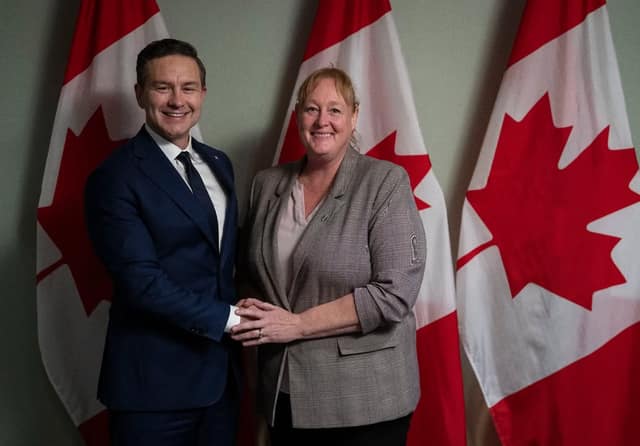
Great meeting with our leader Pierre Poilievre to discuss Kitchener Centre's priorities for the fall session. We’re focused on common-sense solutions to make life more affordable, strengthen our economy, make our streets safe, and my Private Members Bill focusing on rehabilitat… Read more

ion. Conservatives will keep fighting to put families and Canadians first.

YouTube · September 22, 2025

Introducing my Private Member's Bill, Bill C-240

Today, I was honoured to introduce Bill C-240, the Offender Rehabilitation Act — a bill that empowers our courts to prescribe structured rehabilitation programs for individuals whose offenses stem from circumstances that can be addressed through skill development, education, and … Read more

recovery as part of a holistic healing process. This bill is not about being soft on crime — it’s about being smart on recovery. By integrating public health principles into our justice system, we can reduce recidivism, enhance community safety, and break the cycle of harm. Bill C-240 will also strengthen our response to large-scale fentanyl trafficking, drawing a clear line between those who need support to rebuild their lives and those who profit from destruction.

House of Commons · September 22, 2025

House of Commons: Routine Proceedings — Offender Rehabilitation Act

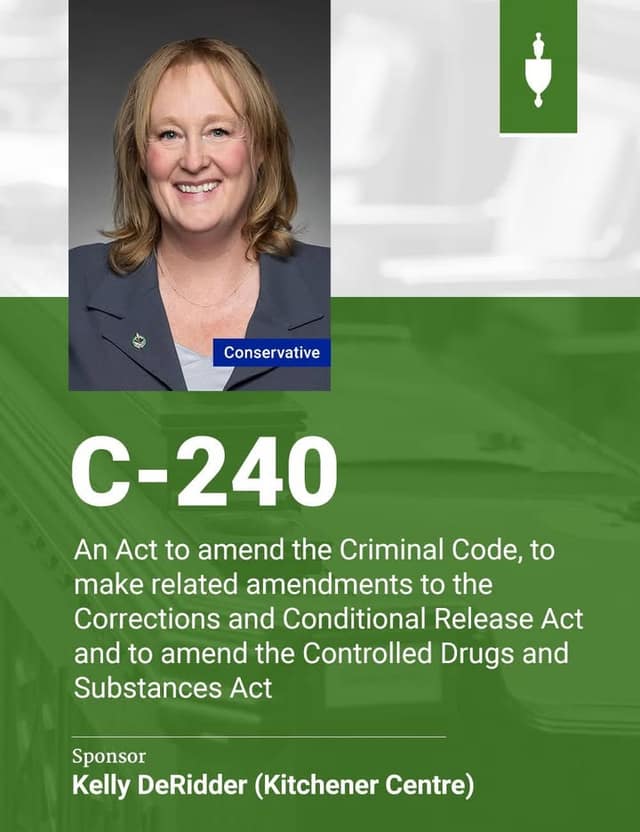
moved for leave to introduce Bill C-240, An Act to amend the Criminal Code, to make related amendments to the Corrections and Conditional Release Act and to amend the Controlled Drugs and Substances Act. Mr. Speaker, today I rise to introduce the proposed offender rehabilitation… Read more

act. The bill seeks to address one of the most urgent and heartbreaking crises facing Canadian families: the devastating impact of substance addiction. Canadians see the toll: lives are lost; families are shattered; and public safety is eroded. Our justice system must do more than punish. It must also heal. The bill would empower courts to prescribe structured rehabilitation measures, including education, skills training and treatment programs, to be undertaken during custody. These are not soft-on-crime measures. They are smart-on-recovery interventions. The bill would strength the Corrections and Conditional Release Act to ensure that rehabilitation objectives are considered during parole decisions, and it would amend the Controlled Drugs and Substances Act to treat large-scale fentanyl trafficking as an aggravating factor, reflecting the gravity of the harm inflicted in our communities. I look forward to working with all members of the House to restore dignity, health and hope to those caught in the cycle of addiction. (Motions deemed adopted, bill read the first time and printed)

Facebook · August 27, 2025

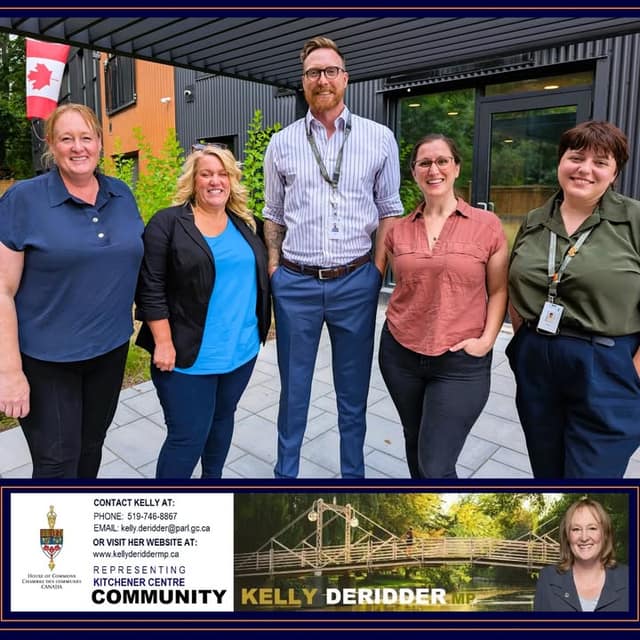
Earlier this month I had the privilege of touring Thresholds Homes and Supports at their Community Homes for Opportunity (CHO) program site on Sheldon Avenue. The building at 292 Sheldon Ave is part of a broader effort to address homelessness and support vulnerable individuals i… Read more

n the Kitchener area, providing 24-hour care and a dedicated team to help those living with severe and persistent mental health challenges find stability and quality of life. Thresholds supports over 350 people in Kitchener with housing, crisis respite, and individualized programs that promote affordable housing, person-centered supports, and greater independence for those facing mental health challenges. Thank you to Eric Philip (CEO), Rosalind Horne (Manager, Fundraising & Communications), and Jasmine and Kyra (Housing Support Coordinators) for sharing the important work you’re doing to strengthen our community. 💙 Learn more about their work at: thresholdsupports.ca #MentalHealthMatters #SupportiveHousing #CommunityCare #CompassionInAction #StrongerTogether #KitchenerCentre

Facebook · August 1, 2025

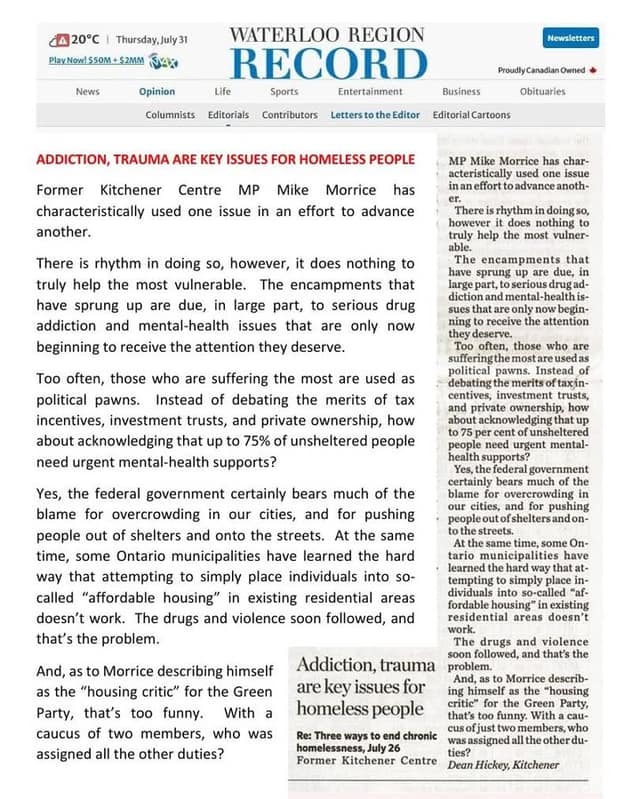
📰 LETTER TO THE EDITOR: Addiction and Trauma Are Key Issues for Homeless People A recent letter in the Waterloo Region Record sheds light on a heartbreaking reality: up to 75% of unsheltered individuals are living with addiction and mental illness. These are not just policy chal… Read more

lenges — they are human ones, and they deserve thoughtful, long-term solutions. As your MP, I’m committed to working toward a full-circle approach that addresses the root causes and supports real recovery: ✅ End taxpayer-funded “safe supply” drug programs that keep people trapped in addiction ✅ Give judges the ability to mandate rehabilitation and mental health treatment, instead of cycling people through jails or shelters ✅ Invest in real recovery, not just rhetoric — with support for detox, mental health services, and long-term healing ✅ Rapidly boost housing supply by cutting red tape and requiring municipalities to build — while ensuring housing supports don’t ignore addiction or community safety We need to move beyond short-term fixes and deliver compassionate, evidence-based solutions that help people rebuild their lives. That means treating addiction and mental illness with the seriousness they deserve — and ensuring our housing and justice systems are part of the solution. #KitchenerCentre #HomelessnessCrisis #AddictionRecovery #MentalHealthSupport #RehabNotRhetoric

Facebook · July 21, 2025

I had the privilege of attending the Ray of Hope AGM recently— and left feeling inspired by the powerful stories of transformation and the deep care this organization brings to our community. From youth support to addiction recovery to meals for those experiencing homelessness, R… Read more

ay of Hope offers more than just services — they offer hope, dignity, and a path forward. As someone who is deeply passionate about improving services for those struggling with addiction, I’m especially grateful for the work they do to walk alongside people on some of the hardest journeys — helping them reclaim their lives with strength and support. Thank you to the incredible staff, volunteers, board members, and supporters who make this work possible. Our community is stronger because of you. 💛 I have added links to their website and their annual report. Please check them out. https://rayofhope.net/ https://rayofhope.net/wp-content/uploads/2025/06/Ray-of-Hope-Annual-Report-2025.pdf #RayOfHope #CommunitySupport #KitchenerCentre #HopeInAction #AddictionRecovery #StrongerTogether

Facebook · June 23, 2025

I had the opportunity to address my colleague member’s question regarding the issues of security, crime and addiction and their grave consequences here in #kitchenercentre

House of Commons · June 3, 2025

House of Commons: Speech from the Throne — Resumption of Debate on Address in Reply

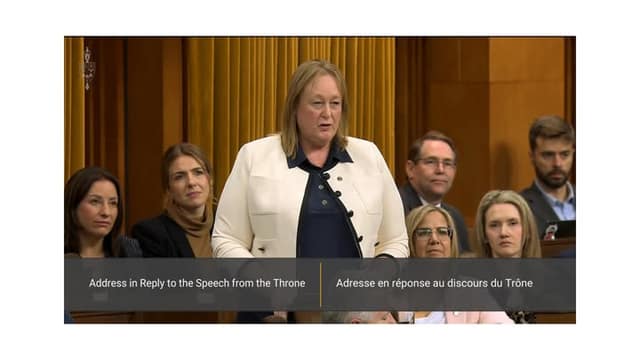
Mr. Speaker, standing here today and representing my community in the 45th Parliament is the honour of a lifetime. I want to begin by expressing my deepest gratitude to the people of Kitchener Centre for placing their trust in me. Their voices, their concerns and their aspiration… Read more

s are at the heart of everything I will do in Ottawa. I also want to take a moment to recognize the dedicated volunteers who made this journey possible. Their passion, hard work and unwavering commitment carried me to this moment. I am not standing here alone; each and every one of them is here with me. My husband, Chris, my mom, my closest friends, my dad and my daughter, Abigail, are my strength, my motivation and my greatest supporters. Their love and belief in me have guided me every step of this path, and I am forever grateful. To my predecessor Mike, I say thanks for his service to Kitchener Centre. I will continue to be a strong advocate. Kitchener Centre is more than a place on a map. It is where I was raised; it is where my heart belongs. I attended J F Carmichael, then Queensmount, and went off to Forest Heights, before completing my education at Conestoga, where I earned a diploma in mechanical engineering, specializing in robotics and automation. My career in management has spanned over 18 years, focusing on effective communication, fiscal responsibility and policy creation to improve efficiencies. These are principles I will carry with me into public service. I grew up in a home where money was not plentiful, but resilience and determination were abundant. I was taught the value of hard work, ambition and the belief that, with effort, anything was possible. That was the Canada and the home that I grew up in, a place where dedication and perseverance could lead to home ownership, financial security and a good life in a safe neighbourhood. Today, those dreams feel farther out of reach for many. This reality is one that I will fight to change. I am committed to building a future in which affordability is not an obstacle, jobs provide stability and communities are free from the devastating impacts of addiction and crime. I am here to listen. I am here to act. I am here to make sure that every person in Kitchener Centre has the opportunity to thrive. The rising cost of living has tightened its grip on families, young professionals and seniors alike. I heard the stories at the doors: parents stretching every dollar, young people questioning whether they can afford a home or local businesses trying to stay afloat amid increasing expenses. Affordability is not just a word; it is the difference between stability and struggle, between hope and hardship. During the campaign, I had the opportunity to tour the Waterloo regional food bank. While I was deeply impressed by its efficiency and dedication, I found myself grappling with the unsettling reality, the sheer scale at which such an operation is needed in our community. Between 2023 and 2024, the number of new households accessing food hamper programs for the first time skyrocketed by 210%. In that same period, 29,786 hampers were distributed to families in need, for an increase of 109%. These staggering numbers are a direct consequence of the rising cost of living, which is forcing more and more people to turn to essential support services just to put food on the table. This is not just an economic issue; it is a human one. It is a call to action that demands urgent and meaningful solutions to ensure that no family in Kitchener Centre or beyond has to struggle for their basic needs. We must forge policies that ease this pressure, ensuring less taxation, affordable housing and stability for our communities across Canada. Equally vital is my commitment to job creation. Kitchener Centre has long been a hub of innovation, with a thriving tech industry and entrepreneurial spirit. However, opportunity must be more than a promise. It must be a reality for every worker, every student choosing to stay in the region while entering the workforce and every small business daring to dream. We must invest in key technologies and industries: green technology, the arts and creative sectors, advanced manufacturing, med tech, deep tech, AI and more. We need to implement policies that empower our people and drive investment, ensuring our economy is sustainable and future-proof. Today, our community has an opportunity to forge a new path ahead, and we are well positioned to do so. We must support the initiatives of the leaders of our industries on a federal level to ensure a prosperous future for Kitchener Centre. However, amid these ambitions, I must address the harsh reality that so many of our neighbours face: this drug crisis. It is a crisis that is not just statistical and not economic; it is profoundly human. I have listened to the voices of families who have lost loved ones; frontline business owners and workers grappling with its impact; and communities, especially in our downtown core, caught in the crossfire of addiction and crime. One conversation that deeply resonated with me was with Cynthia, a constituent from Kitchener Centre. Not only has her business suffered because of this crisis, but she also brought to my attention a critical issue: the Alexandrian. It is a residential building in the heart of our downtown, which is not alone. This building is home to many newcomers to Canada and low-income families, including children of all ages. These children deserve to grow up in a safe and nurturing environment, yet they are exposed to the harsh daily realities of downtown life. Criminal activity unfolds right in front of them as they wait for the school bus or play in the nearby park. This is unacceptable. The safety of all of our children must never be an afterthought. It is our responsibility to ensure that they can live, learn and play in communities free from fear. The solution is not stigma; the solution is compassion and treatment. We must expand access to mental health support, strengthen rehabilitation programs and ensure that no one falls through the cracks. I recently had the opportunity to speak with members of our outstanding Waterloo Regional Police Service, who shared with me that in 2024 alone, they responded to over 11,000 incidents in our downtown core. Since January, the WRPS has been actively collaborating with our local BIA on initiatives aimed at addressing these challenges and enhancing community well-being. To further support these efforts, we must take a firm stance on crime and repeal the soft-on-crime provisions in Bill C-5 and Bill C-75. These policies have made it more difficult to hold repeat offenders accountable and have contributed to a revolving door in our justice system. We need to ensure that individuals who repeatedly victimize our communities are kept off our streets and that those responsible for trafficking deadly substances such as fentanyl face the most severe penalties, including life sentences for kingpins. I did not enter public service to offer empty words. I am here to work for the single parent balancing two jobs, for those living under the poverty line, for the young graduate searching for stability, for the entrepreneur building something new and for the countless individuals wanting a second chance. Kitchener Centre is not just my riding; it is my heart, and I vow to work for it with every ounce of my dedication. To my fellow representatives in the House, I say let us move forward with courage and conviction. Let us not simply acknowledge these challenges but solve them. Let us prove through action that public service is more than governance: It is the unwavering pursuit of a better future. Together we can build it.

Help Kelly keep working for Kitchener Centre

Kelly's work in Ottawa is backed by volunteers and supporters here at home. A monthly donation of any size keeps the local team going, and political contributions earn a generous federal tax credit.