 Watch the video on Facebook
Addiction is a silent crisis felt deeply in our homes and everyday lives.
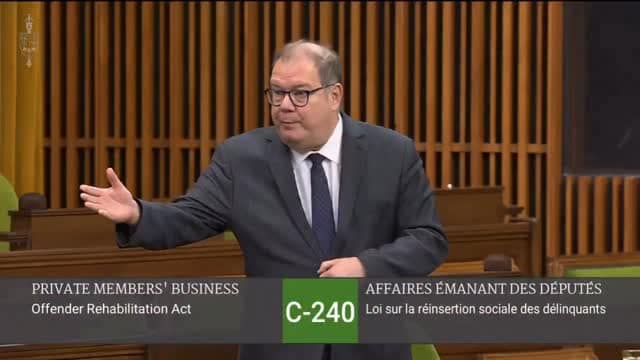
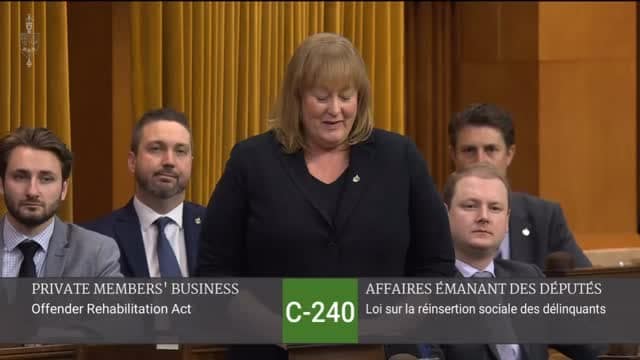
We all feel it across the country. My Private Member’s Bill, C-240 acknowledges the reality infront of us and helps bring our loved ones home happy, healthy, healed and drug free.
What Kelly says in this video
Automatic transcript; it may contain small errors.
Canada is facing a crisis, one that is often described as silent, silent international conversations perhaps, but deafening in our homes, in our communities, and our daily lives. It is a crisis heard by worried phone calls, in empty chairs at the family table, and the quiet grief carried by parents, friends, and loved ones. This is not an abstract policy debate, this is this drug crisis, and it is affecting Canadians everywhere. There are 343 seats in this house, and every single one of them has been impacted in some way. No region, no riding, no community has been spared. For some, it's a 15-year-old girl's grandmother asking you to help save her from this crisis, or a conversation with a police officer that you can literally see the mental anguish on his face because of the human trafficking aspect of this crisis and the toll that it's taking because it feels endless. For others, it's a friend, a neighbour, a colleague, or a family member who's struggling right now. This crisis has a face in every corner of our country. We have lost more than 50,000 Canadians to this drug crisis in the past 10 years. This is more lives than we lost in the Second World War. If this level of loss were caused by any other threat, this house would be united in urgency, relentless in its response, and clear in its resolve. And yet, despite the scale of this tragedy, the drug crisis too often remains hidden, spoken about quietly, not fully addressed, or avoided altogether. Too often, stigma replaces understanding, discomfort replaces honesty, political talking points replace action. We hesitate to talk openly about addiction because it's complex, because it's painful, and because it forces us to confront the difficult truths about mental health, trauma, housing, crime, and care. But silence has never saved a life. Avoidance has never led to recovery. If we're serious about protecting Canadians, then we must be serious about acknowledging the reality that's in front of us. We must start talking about this crisis openly and honestly. We must move from debate to action, and we must work together across federal, provincial, and municipal governments, and alongside our communities on the ground, because recovery is possible. People can and do recover. People can come home happy, healthy, healed, and drug-free. Recovery must be at the centre of any serious response to this drug crisis.