 Watch the video on Facebook
Our downtown communities deserve to feel safe.
We need real solutions to the drug crisis that connect people with treatment, support recovery, and make our streets safer for everyone.
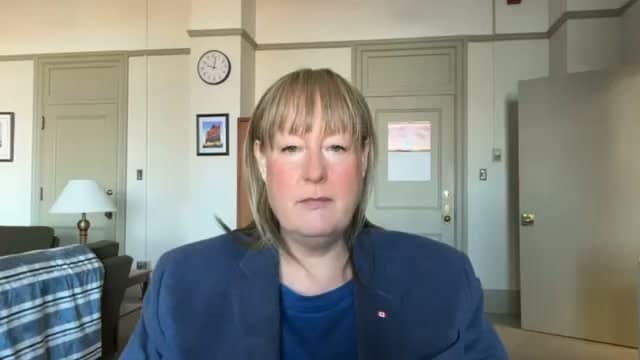
What Kelly says in this video
Automatic transcript; it may contain small errors.
Compassion is one of the greatest strengths of any community. Compassion means caring about the person struggling with addiction. It means recognizing their humanity, understanding that many are carrying the trauma, mental illness and pain and ensuring they have a real path to recovery. But compassion must extend beyond that. Compassion also means caring about the small businesses and owners who arrive each morning to find broken windows, vandalized property, discarded needles or customers who no longer feel safe visiting their store. It means caring about employees who simply want to get to work without fear. It means caring about seniors who avoid downtown, parents who no longer feel comfortable bringing their children to local shops and residents who feel their neighbourhoods have been abandoned. Too often, we've been told that acknowledging the impacts on businesses and residents somehow means we lack compassion for those struggling with addiction. I reject that. We can have compassion for both. We can care deeply about the person experiencing addiction while also caring about the family-owned businesses fighting to keep their doors open. In Waterloo Region, there were 1,553 overdose-related calls to paramedics in 2024, the highest number since tracking began. Of those, approximately 920 occurred in Kitchener. Those numbers represent real people, real families and real lives. They also tell us something very important. What we're doing today is not working. We must stop confusing tolerance of addiction with treatment of addiction. A compassionate society does not leave people trapped in addiction on our streets. A compassionate society does not watch people slowly destroy themselves while telling them that help is optional. A compassionate society offers hope, treatment, recovery and a real path forward. That means expanding access to detox, treatment beds, recovery programs, mental health supports, transitional housing and long-term recovery communities. It means investing in solutions that help people reclaim their lives. At the same time, we cannot ignore the challenges facing downtown Kitchener. Business owners have publicly described the situation as unsustainable, setting threats to staff and customers, property damage, discarded drug paraphernalia and growing concerns about safety. Police have conducted targeted enforcement initiatives in response to ongoing complaints regarding open drug use and criminal activity in parts of downtown. Downtown businesses are also facing a significant economic pressure. Commercial real estate reports have shown elevated office vacancy rates in downtown Kitchener, with some reports placing downtown offices' vacancy around 30% in 2026. Fewer workers downtown means fewer customers for restaurants, cafes, retailers and service businesses. Local business leaders have noted that reduced foot traffic has had a direct impact on many downtown establishments. Our goal should be clear. We want downtown where businesses can thrive. We want employees to feel safe coming to work. We want residents to feel comfortable walking in the streets. And we want people struggling with addiction to access the help they need to rebuild their lives. Those objectives are not in conflict. In fact, they depend on one another. The most compassionate thing we can do is not manage addiction. It's help people overcome it. The most compassionate thing we can do for struggling businesses is restore safety and confidence in our downtown core. And the most compassionate thing we can do for our community is to pursue policies that balance dignity, accountability, public safety and recovery, because every person deserves hope. Every family deserves peace of mind. Every employee deserves a safe workplace. And every business deserves the opportunity to succeed. Let us choose a path that restores our downtown, supports our businesses, protects our communities and helps those suffering from addiction find real recovery and a better future.