Conservative Party of Canada

Your MP at Work

Kelly DeRidder on Health care access

Good health care is about more than hospital visits. Kelly DeRidder has been meeting the people and groups across Kitchener Centre who help neighbours stay well. She toured the Schlegel-UW Research Institute for Aging, visited Vision Loss Rehab and Arnold Hearing Centres, and stopped by Lisaard & Innisfree Hospice on Homer Watson. She also joined the Steps for Kids Walk for children's mental health, the kickoff of the Grand River Motorcycle Ride for Dad, and shared the Hospice of Waterloo Region walk.

In Ottawa, Kelly has focused on addiction treatment and recovery. Her private member's bill, C-240, aims to direct the system toward structured rehabilitation and measurable recovery outcomes. She has met with Key Metrix Rehabilitation and with addictions and mental health experts. She has also spoken about the doctor shortage and a proposed Blue Seal Program to help internationally trained medical professionals get certified to practise in Canada.

Kelly also points to local health innovation, from the University of Waterloo's TruST Network symposium on health and AI to a woman-led startup rethinking women's health screening. Below you will find her posts, videos and House of Commons speeches on health care access, with the newest first.

36 posts, videos and speeches.

Facebook · December 10, 2025

Too often the drug crisis gets overshadowed in this country. We cannot be silent on this issue, abstinence based rehabilitation needs to be at the forefront of this government’s plan to solve this crisis. Unfortunately, mental health and addictions is mentioned just once in t… Read more

he budget, only to say much needed funding is ending. #kitchener #rehabilitation

Facebook · December 1, 2025

Our community is hurting. First responders are overwhelmed. Youth overdoses are rising. Kitchener families are fed up. This new federal budget only mentions mental health and addictions once and it’s to recognize that much needed funding is ending. The Conservative plan offers … Read more

hope that things can change for those suffering from addiction: End the failed experiment of taxpayer-funded “safe supply” that keeps people trapped in addiction and focus on abstinence based rehabilitation; take the billions we are spending to manage misery and invest them instead in 50,000 real treatment beds, medical detox, and recovery housing; and sue the drug companies that flooded our country with poison to help pay for it. It’s time to bring our loved ones home, drug free. #recovery #addiction #hope

House of Commons · November 27, 2025

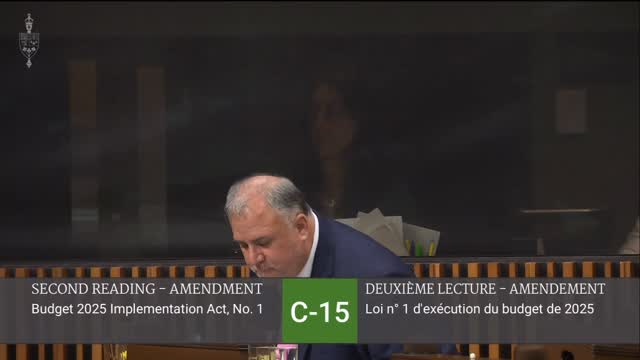
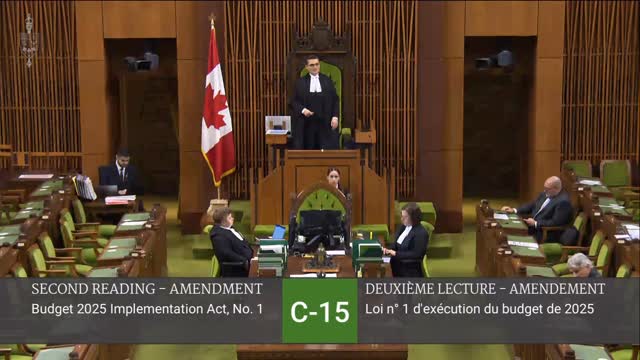
House of Commons: Government Orders — Budget Implementation Act, No. 1

Mr. Speaker, it was more than five years ago that the federal government launched its so-called safe supply. It was more than five years ago that it decided the answer to this growing drug crisis was to use federal taxpayer dollars to expand access to hard drugs, not treatment, n… Read more

ot recovery and not healing, just drugs. After a half a decade of chaos and heartbreak and $1 billion spent, what did the Liberals decide to do? In this budget, they chose to walk away. They chose to let mental health and addiction support funding expire, with no plan to renew it, no plan to replace it and no plan to help Canadians who are living through the consequences of the policies the Liberals championed. They are passing the responsibility to the provinces and municipalities, claiming it is not their jurisdiction. They should have had that same mindset before starting the safe supply experiment. They are pretending their decisions had nothing to do with the crisis Canadians are facing today. The government set fire to the barn, and now it is walking away hoping for someone else to put out the flames. The human toll of this drug crisis is being borne in large part by those we ask to save lives: our first responders. Recent reporting from CityNews shows the scale of what they are facing. The Vancouver Fire Rescue Services recently answered 54 overdose incidents in one day, the highest number of overdose responses ever recorded by that department. These are not rare, isolated events. In 2024, the average was between 20 and 25 daily overdose calls. In the Waterloo region, we just had to put out an overdose safety awareness alert this week. Meanwhile, an article from Canadian Affairs showcases what paramedics, firefighters and other frontline workers, like our nurses, are describing as their mental health and moral injury trauma, not from overdoses but from the endless cycle of drug-related emergencies they are powerless to resolve. One paramedic candidly described attending calls day after day for the same individuals, often without any resources to offer any long-term help. These are not merely medical emergencies; these are social emergencies rooted in addiction, homelessness and untreated mental illness, yet first responders regularly arrive at scenes where there is nowhere safe to send people, no capacity for long-term treatment and no effective wraparound supports. There is no durable strategy from the federal government to address the root causes. Essentially, we are sending paramedics and firefighters to fight a crisis that requires structural solutions while giving them nothing but repetition, burnout and trauma. Addictions and mental health are mentioned exactly once in this budget, only to say the funding is ending. Another vulnerable group being affected by this crisis is our youth. They are now suffering deeply from this drug crisis. The data shows the trend is worsening. Even the CBC has recently reported that doctors in London, Ontario, are seeing alarming numbers of youth, some as young as early teens, using opioids and other substances. Another CityNews report highlights that non-medical prescription opioid use among students jumped 10% in two years. Given all that, does it make sense for the solution to be funding opioids with taxpayer dollars? Given this information, the common-sense solution would be to crack down on illicit drug networks and use taxpayer dollars to help fund abstinence-based recovery treatment. We are witnessing rising drug use, rising overdose risk and growing addiction among youth, many of whom started using as children, yet we still lack the infrastructure, resources and political will to properly treat them. Addictions and mental health are mentioned exactly once in this budget, only to say the funding is ending. The scale of loss in Canada's drug crisis defies comprehension. According to the federal government's own data, 53,821 Canadians have died from an overdose since 2016. To put that into perspective, Canada lost approximately 45,000 soldiers in World War II. This country has now lost more people to the drug crisis than we lost in the entirety of the Second World War. Let that sink in. Let us think about this. A global conflict that spanned continents and years took fewer Canadian lives than drugs, untreated addiction and government failure, and despite the staggering loss and the fact that we are losing more Canadians to addiction than one of the deadliest conflicts in our history, the government has chosen to put zero new funding, zero new programs and zero new hope in this budget for mental health and addictions. Communities are grieving at a wartime scale. Families are burying loved ones at a larger-than-wartime scale, and the federal government is responding with silence. Addictions and mental health are mentioned exactly once in this budget, and that is to say the funding is ending. These are all national examples of how out of hand this drug crisis has gotten, but unfortunately, my community of Kitchener has not dodged it. This crisis is not abstract to the people of Kitchener. It is lived daily. Our downtown core, once vibrant, busy and safe, is struggling. Small businesses are reporting lower foot traffic, rising theft, property damage and incidents that make customers and staff feel unsafe. Restaurants, cafés and shops told me directly that patronage is down because people no longer feel comfortable bringing their families downtown. These small businesses are not just storefronts; they are jobs, community anchors and part of what makes our cities home. They are asking for leadership from the federal government. They are asking for mental health supports, treatment options and real solutions, not half measures and not abandonment, yet addictions and mental health are mentioned exactly once in this budget, and that is to say the funding is ending. I have had numerous constituents write to me echoing the same thing: not feeling safe downtown and feeling disappointed that this is what has become of their once vibrant and safe community. One wrote to me recently describing what their family faces every day living near Weber Street. They said that every single day, they see something that they are amazed is even allowed in their community. They said just up the road is a hotel filled with homeless individuals, including children, living in conditions where drugs are openly used. They once witnessed a woman shooting up right in front of the window of the Pluto Day Care in broad daylight while children played inside. Another constituent wrote that after a recent decision allowing the Victoria Street and Weber Street encampment to remain, they have lost all hope in the downtown core. They wonder why they must follow every bylaw, shovel their walkway and keep their property safe and clean while others' rights extend beyond theirs. What about the rest of Kitchener citizens? They ended with some sentences that no Canadian should ever have to say. They said this has become their new normal. They said this is downtown and they want to feel safe again. They do not know why their family does not matter anymore. Let me be clear. This is not the fault of people struggling with addictions and mental illness. They are Canadians in pain, deserving of compassion, treatment and a real chance at recovery. However, the families in Kitchener, families watching their community deteriorate, are feeling unheard and abandoned. The government set fire to the barn, and now it is walking away hoping for someone else to put out the flames. Well, I am proud to stand here and say that Conservatives will step up and put out the flames. I am here to tell Canadians that they do not have to suffer and that there is hope in abstinence-based rehabilitation. The Conservative plan offers a clear path out of this: end the failed experiment of safe supply and take the billions we are spending to perpetuate misery and invest it into 50,000 real treatment beds, medical detox and recovery housing. We owe our youth more than safe supply and body bags. We owe our first responders more than burnout and despair. We owe the 53,000 already lost more than just a budget announcing that it is going to end. Every Canadian life is worth fighting for, and it is time to bring Canadians home drug-free.

Facebook · November 25, 2025

Canada is facing a doctor shortage and it’s not just affecting access to care, it’s contributing to the overuse of antibiotics and rising antimicrobial resistance. We need a Conservative proposed Blue Seal Program to get talented medical professionals who immigrate to Canada cer… Read more

tified to practise in this country and into our healthcare system. #healthcare #kitchener

Facebook · November 20, 2025

The Waterloo Region has some of the brightest biomedical engineering minds anywhere in the world. We must remove regulatory burdens so that commercialization and job creation can flourish in Canada, rather than see it move to the United States. #innovation #ai #kitchener

House of Commons · October 20, 2025

House of Commons

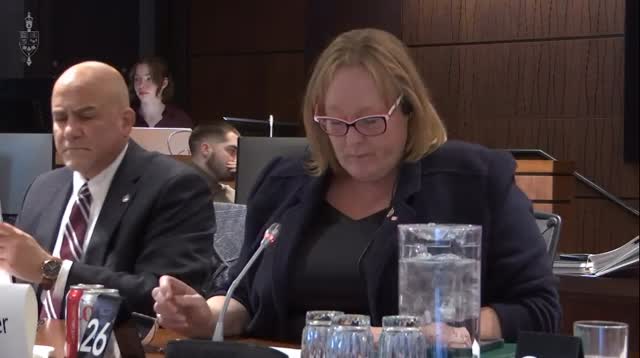
Thank you so much. Dr. Stinson, I was going to go down one path of questioning, but then you mentioned something that made me completely alter my thoughts here. You said that “one in 10” patients “is colonized with at least one” antibiotic-resistant organism during their stay in… Read more

hospital. You're very community-focused, and you're right in my community in Kitchener, so I have some community questions for you. What has this drug crisis in Kitchener contributed to the spread in the transmission of AROs in our community?

House of Commons · October 6, 2025

House of Commons

My question is for you, Herman, but I'll open up the floor to anyone who might be able to support the data part of what I'm going to ask. Herman, you mentioned that there's an environmental factor to infectious disease, that we need to monitor our waste water and that it will le… Read more

ad to food insecurity as well. We do know that the homeless population is more at risk for infectious disease. That includes those who are struggling with addiction. In my riding in Kitchener, I was driving by one of our encampments over the summer. Someone had passed in the encampment. I was deeply saddened by their passing, but I was even more saddened by the fact that those cleaning up his area were dressed in full haz-mat. In another story from my riding, a lady lost her son because he injected with water from our Grand River. He got an infectious disease straight from our river when he injected with that water. We've lost 53,000 people to this opioid crisis that we're facing right now. That's more people than we lost in World War II. It just seems that these failed social experiment policies are leading to more deaths in our country. I have two questions: How is this drug crisis today contributing to the infectious disease increase in Canada, and do you have any data on the actual AMR deaths contributing to what we're facing in Canada today?

Facebook · October 5, 2025

Making Home Project 97 Victoria Street 97 Victoria Street represents a step in the right direction. I recognize the importance of creating spaces that offer dignity and stability to those experiencing homelessness. But housing alone is not enough. If we are serious about helpi… Read more

ng people rebuild their lives, we must invest in accessible, immediate mental health and addiction treatment services. We need more beds, more supports, and a system that responds with urgency when someone says, ‘I’m ready to change.’ That’s the kind of rehabilitation-first approach I want to see us build across this country.

House of Commons · September 22, 2025

House of Commons: Routine Proceedings — Offender Rehabilitation Act

moved for leave to introduce Bill C-240, An Act to amend the Criminal Code, to make related amendments to the Corrections and Conditional Release Act and to amend the Controlled Drugs and Substances Act. Mr. Speaker, today I rise to introduce the proposed offender rehabilitation… Read more

act. The bill seeks to address one of the most urgent and heartbreaking crises facing Canadian families: the devastating impact of substance addiction. Canadians see the toll: lives are lost; families are shattered; and public safety is eroded. Our justice system must do more than punish. It must also heal. The bill would empower courts to prescribe structured rehabilitation measures, including education, skills training and treatment programs, to be undertaken during custody. These are not soft-on-crime measures. They are smart-on-recovery interventions. The bill would strength the Corrections and Conditional Release Act to ensure that rehabilitation objectives are considered during parole decisions, and it would amend the Controlled Drugs and Substances Act to treat large-scale fentanyl trafficking as an aggravating factor, reflecting the gravity of the harm inflicted in our communities. I look forward to working with all members of the House to restore dignity, health and hope to those caught in the cycle of addiction. (Motions deemed adopted, bill read the first time and printed)

Facebook · August 27, 2025

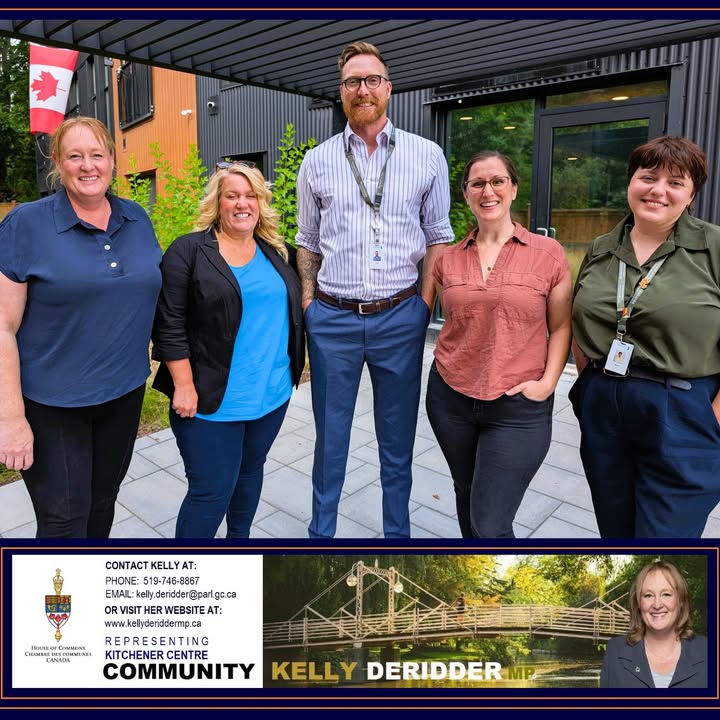
Earlier this month I had the privilege of touring Thresholds Homes and Supports at their Community Homes for Opportunity (CHO) program site on Sheldon Avenue. The building at 292 Sheldon Ave is part of a broader effort to address homelessness and support vulnerable individuals i… Read more

n the Kitchener area, providing 24-hour care and a dedicated team to help those living with severe and persistent mental health challenges find stability and quality of life. Thresholds supports over 350 people in Kitchener with housing, crisis respite, and individualized programs that promote affordable housing, person-centered supports, and greater independence for those facing mental health challenges. Thank you to Eric Philip (CEO), Rosalind Horne (Manager, Fundraising & Communications), and Jasmine and Kyra (Housing Support Coordinators) for sharing the important work you’re doing to strengthen our community. 💙 Learn more about their work at: thresholdsupports.ca #MentalHealthMatters #SupportiveHousing #CommunityCare #CompassionInAction #StrongerTogether #KitchenerCentre

Facebook · August 1, 2025

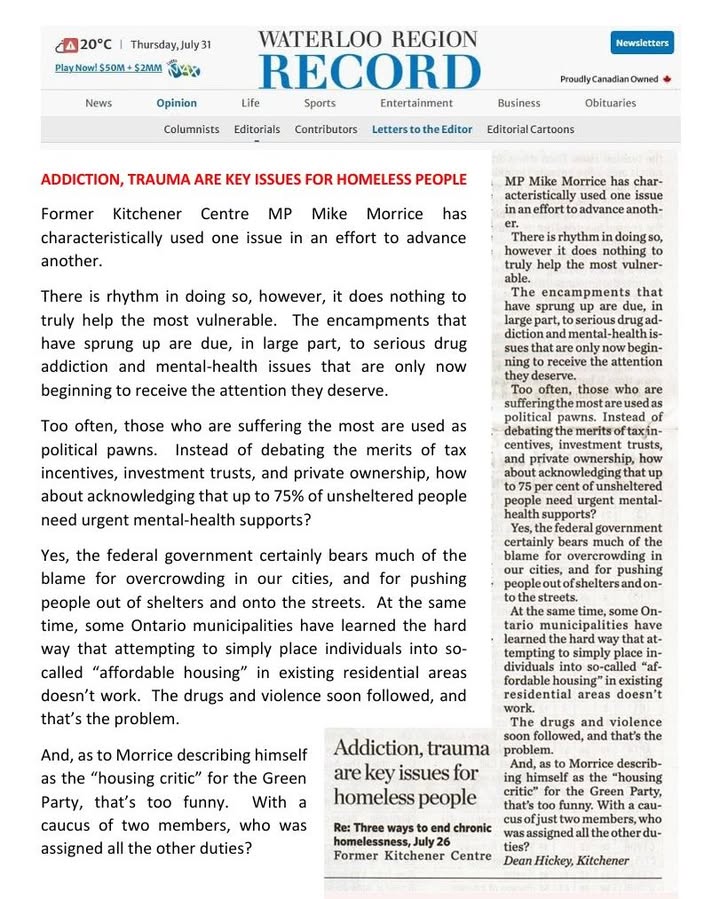
📰 LETTER TO THE EDITOR: Addiction and Trauma Are Key Issues for Homeless People A recent letter in the Waterloo Region Record sheds light on a heartbreaking reality: up to 75% of unsheltered individuals are living with addiction and mental illness. These are not just policy chal… Read more

lenges — they are human ones, and they deserve thoughtful, long-term solutions. As your MP, I’m committed to working toward a full-circle approach that addresses the root causes and supports real recovery: ✅ End taxpayer-funded “safe supply” drug programs that keep people trapped in addiction ✅ Give judges the ability to mandate rehabilitation and mental health treatment, instead of cycling people through jails or shelters ✅ Invest in real recovery, not just rhetoric — with support for detox, mental health services, and long-term healing ✅ Rapidly boost housing supply by cutting red tape and requiring municipalities to build — while ensuring housing supports don’t ignore addiction or community safety We need to move beyond short-term fixes and deliver compassionate, evidence-based solutions that help people rebuild their lives. That means treating addiction and mental illness with the seriousness they deserve — and ensuring our housing and justice systems are part of the solution. #KitchenerCentre #HomelessnessCrisis #AddictionRecovery #MentalHealthSupport #RehabNotRhetoric

Facebook · July 29, 2025

👂 Celebrating 75 Years of Sound Care I recently visited Arnold Hearing Centres at Frederick Street Mall — one of seven locations across Southern Ontario dedicated to helping our communities hear better and live fuller. From hearing tests and custom aids, their team brings compas… Read more

sion and expertise to every appointment. Whether you're in Kitchener, Waterloo, Guelph, Elmira, New Hamburg, or Simcoe, Arnold Hearing is here to support your hearing health. 👏 Thank you for being a trusted part of our region’s wellness landscape for over seven decades! #ArnoldHearing #KitchenerCentre #HearingHealth #CommunityCare #75YearsStrong #kitchenercentre

Help Kelly keep working for Kitchener Centre

Kelly's work in Ottawa is backed by volunteers and supporters here at home. A monthly donation of any size keeps the local team going, and political contributions earn a generous federal tax credit.