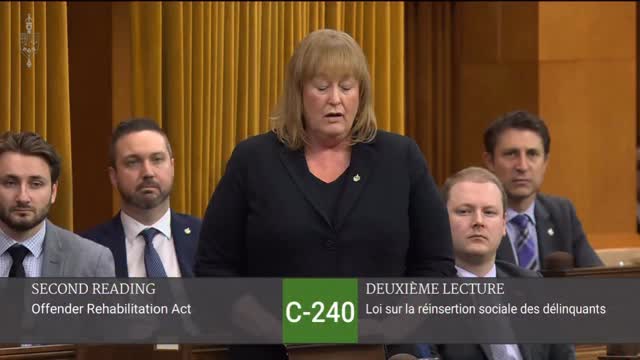
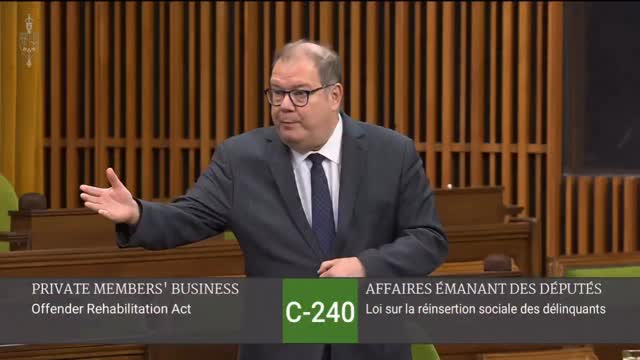
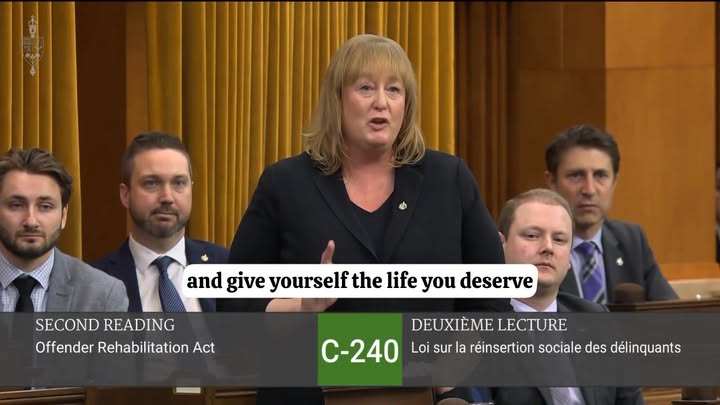
moved that Bill C-240, an act to amend the Criminal Code, to make related amendments to the Corrections and Conditional Release Act and to amend the Controlled Drugs and Substances Act, be read the second time and referred to a committee.
Mr. Speaker, it is an honour today to r… Read more
ise for the first hour of debate on the second reading of my private member's bill, Bill C-240.
Canada is facing a crisis, one that is often described as silent. It is silent in our national conversations, perhaps, but deafening in our homes, in our communities and in our daily lives. It is a crisis heard in worried phone calls, in empty chairs at the family table and in the quiet grief carried by parents, friends and loved ones. This is not an abstract policy debate. It is this drug crisis, and it is affecting Canadians everywhere.
There are 343 seats in the House, and every single one of them has been impacted in some way. No region, no riding and no community has been spared. For some, it is a 15-year-old girl's grandmother asking for help to save her from this crisis, or a conversation with a police officer when one can literally see the mental anguish on his face because of the human-trafficking aspect of this crisis and the toll it is taking because it feels endless. For others, it is a friend, a neighbour, a colleague or a family member who is struggling right now. This crisis has a face in every corner of our country.
We have lost more than 50,000 Canadians to this drug crisis in the past 10 years. This is more lives than we lost in the Second World War. If this level of loss were caused by any other threat, the House would be united in urgency, relentless in its response and clear in its resolve, yet despite the scale of this tragedy, the drug crisis too often remains hidden, spoken about quietly, not fully addressed or avoided altogether. Too often stigma replaces understanding, discomfort replaces honesty, and political talking points replace action.
We hesitate to talk openly about addiction because it is complex, because it is painful and because it forces us to confront the difficult truths about mental health, trauma, housing, crime and care, but silence has never saved a life. Avoidance has never led to recovery. If we are serious about protecting Canadians, then we must be serious about acknowledging the reality that is in front of us. We must start talking about this crisis openly and honestly. We must move from debate to action, and we must work together across federal, provincial and municipal governments and alongside our communities on the ground, because recovery is possible. People can and do recover. People can come home happy, healthy, healed and drug-free.
Recovery must be at the centre of any serious response to this drug crisis. If we truly want to help people who are suffering from addiction, we have to focus on getting them well, not enabling and not just cycling them through systems that never really address the root cause. Addiction is not a moral failure, and recovery is possible when people are given the right supports.
In my community, I see what works. I see organizations that are changing lives every single day by focusing on rehabilitation and recovery. Groups like Frontline Recovery, HART Hub at the House of Friendship, Celebrate Recovery, Porchlight, Key Metrix and Crow Shield Lodge, along with many others, are doing the hard, often unseen work of helping people rebuild their lives. These frontline organizations understand addiction not as a headline but as a human reality. They prove that recovery works when properly supported.
Our stories are different, but at the core of addiction there is trauma. It drives substance use and keeps people trapped in cycles they cannot escape on their own. If we do not heal the trauma, we do not break the cycle. If we do not break the cycle, we are not offering real recovery but only enabling addiction. That belief is what led me to bring forward Bill C-240. It is a bill about breaking cycles and putting recovery at the centre of our justice system's response to addiction-driven crime.
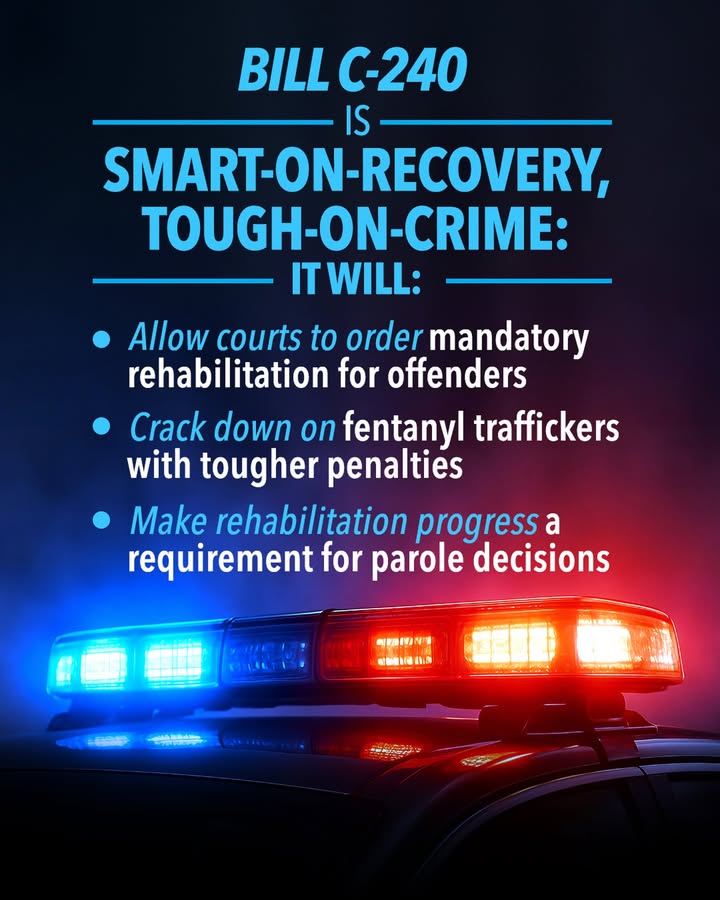
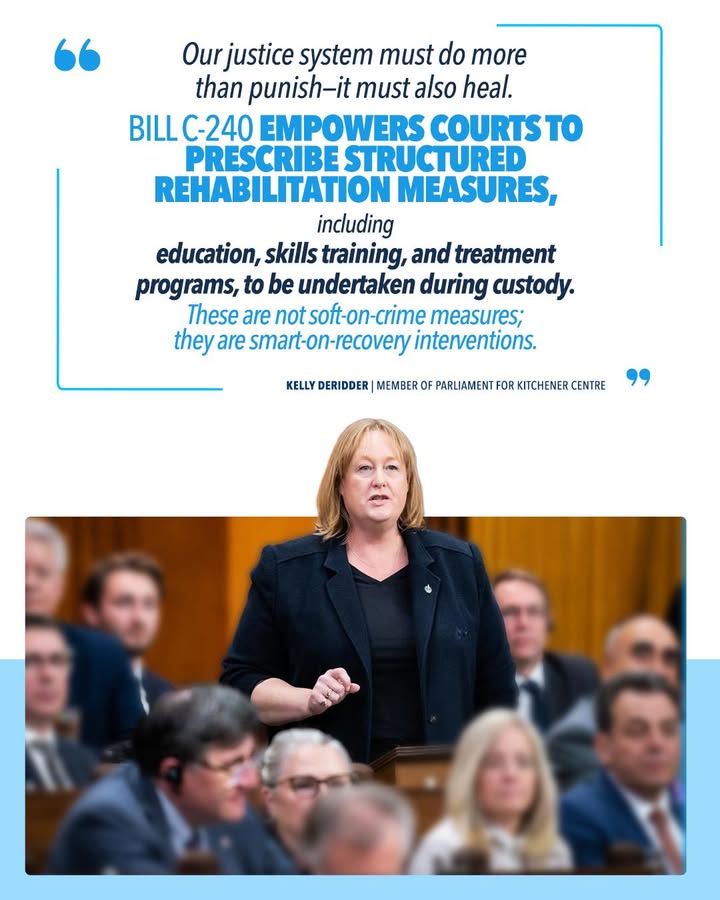
Bill C-240 would introduce rehabilitation directly into incarceration. It would allow a judge to prescribe rehabilitation, mental health supports, education and training. It would give the individual the opportunity to participate in that treatment, and it would allow a parole board to consider whether that treatment plan has been completed.
What makes this different from what exists today is accountability. Right now, programs may exist, but there is no real accountability to ensure that they are delivered as intended or that the individual receives the full support required to complete them. When rehabilitation is judge-prescribed, accountability exists on both sides: on the correctional facility to provide meaningful programming and on the individual to engage in treatment. That accountability is what turns intention into outcome.
Bill C-240 also sends a very clear and necessary message to those who profit from addiction. It treats the trafficking of fentanyl as an aggravating factor, allowing for harsher penalties for dealers who knowingly make money off human suffering. Recovery must be paired with the consequences for those who exploit vulnerability for profit.
The goal of this bill is simple and focused: to heal and break cycles for those afflicted by addiction and to punish those who knowingly fuel it. If we want safer communities, fewer victims and fewer lives lost, recovery must be the path forward and accountability must be a part of that path.
This last part may be difficult for me to get through, but it matters that I say it.
There are many faces, backgrounds, stories, people, different walks of life and reasons for addiction. I know this because I am one of those faces. I am one of those walks of life. I am a recovered addict.
I fell into addiction in high school. It starts as fun, an escape from reality and good times with friends. Then it turns into something very different. It becomes one's life. It steals from people, who then burn bridges and make choices that trap them in a life of continued trauma.
No one talks about the dark side of addiction: those choices, the self-harm, the trap houses, the abusers of vulnerability and the realities of the life of addiction. I was young. I was vulnerable. I had my own trauma. Then one day, while I was in one of those trap houses, I was looking around and thought to myself, “What am I doing? What is this life? What is my future? What is next, death?"
That is when I decided to change. When I was in addiction, my mom showed me tough love. While I was in active addiction, I was not allowed at home. However, she always checked in on me. She always knew where I was, and she would make me go for coffee or Sunday dinner at nana and grandpa's house. Every time she checked in on me, she would always plant a seed, asking, “When are you going to school?”
The very first thing I did when I got through detox was march up to my mom's office. She worked for the Waterloo region her entire career, and at the time she was at 99 Regina Street South. I went into her office and said, “Mom, I need a Conestoga College book.” I applied for early childhood education, radio broadcasting and television, and mechanical engineering, specializing in robotics and automation. I literally had no idea what I wanted to do next. I just knew I wanted to do something different. The only thing I was accepted into right away was the engineering program, so that became my path.
I have been told, often by people who do not know me, that I need to be trauma-informed or that I need to listen more closely to the research, the data or the intellectuals who study this issue. While research matters, I want to say this very clearly: We will never solve this crisis if we do not listen to the people with lived experience, especially those who have healed. Recovery is not theoretical. It is lived, one day at a time.
I wear the scars, but I also wear the success of defeating the demon of addiction. I always wanted to go into politics, but I delayed running because of my past. The weight held me back. I asked myself, “What if I win? What if my past comes out? What if I am judged or shamed or dismissed because of who I once was rather than who I am today?” That fear is not unique to me. It is the stigma many recovered people carry with them, even after they have built their lives.
I decided I would no longer carry that stigma in silence. I am ending it by telling my story.
Under our party's leader, I knew I would be supported, not only because of who our leader is as a person but because of the message that he continually shares. During the last election, he spoke about recovered addicts as having a kind of strength others may never fully understand, because recovery means climbing a mountain that most people will never see. He spoke about the need for rehabilitation beds across this country and for real pathways to recovery.
That message mattered to me. It told me I would not only be accepted as a member of Parliament, but also be supported. We need more leaders like this. That support has given me the strength and the courage to stand here in the House of Commons and share my own personal story.
However, there is one thing I would like to add to that message. Yes, recovered people climb a mountain, but at the very beginning of recovery, all a person can see is that mountain in front of them. It feels impossible. It feels endless. It feels lonely, but if they take one day at a time, one step at a time, they will reach the top, and that is where their life truly begins.
There is a big, beautiful, happy, healed life on the other side of addiction. If members have ever seen the view from the top of a mountain, they know that the world opens up, possibilities expand and our future becomes something we can finally imagine.
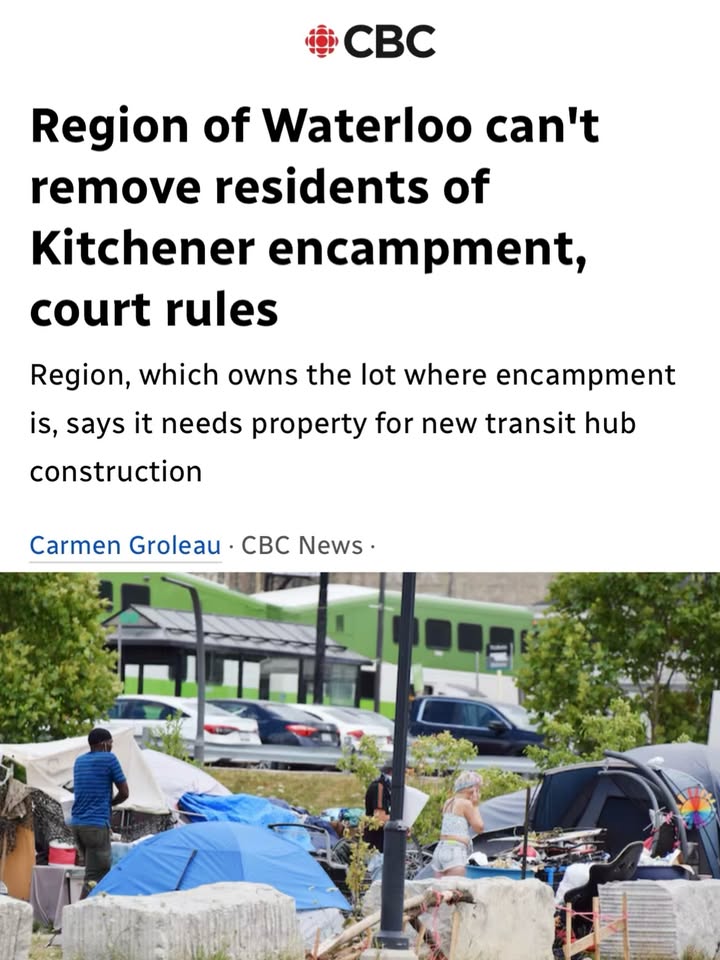
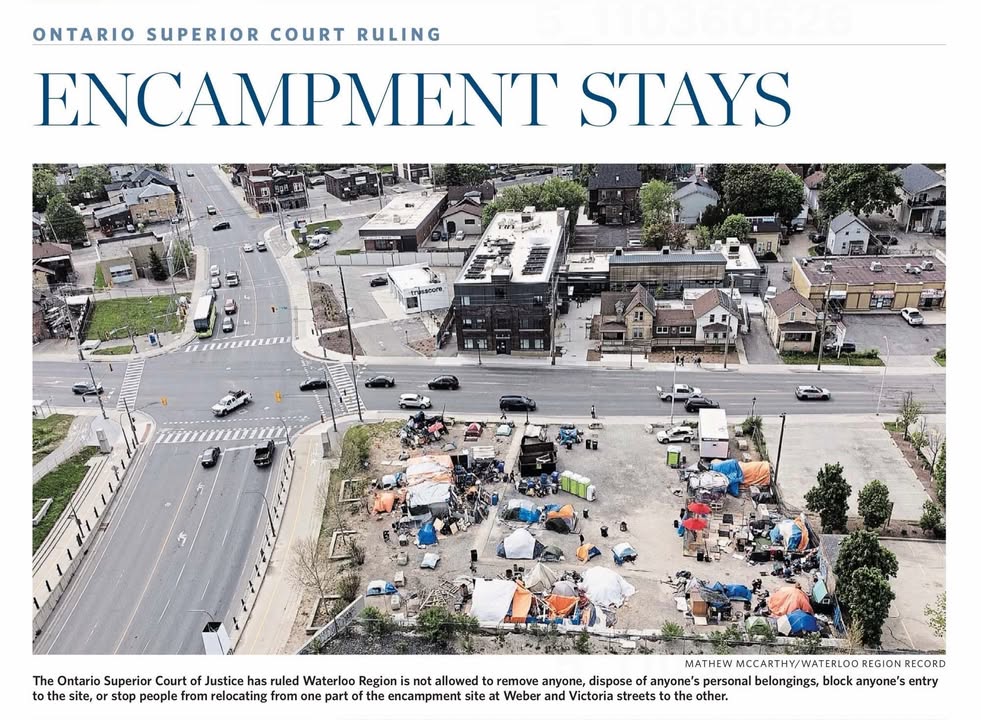
I was an addict sleeping in Victoria Park in Kitchener, Ontario. I slept in the streets and at the women's shelter on Frederick Street, Mary's Place, and now I am a member of Parliament representing that very same area.
The very same area and community I was homeless in, I now represent as a member of Parliament. If someone hears this who is struggling or feels trapped at the base of that mountain, I want them to know this: They should take that step, start the healing journey and give themself the life they deserve.