Conservative Party of Canada

Your MP at Work

Kelly DeRidder on Advocacy for Kitchener Centre in the House of Commons

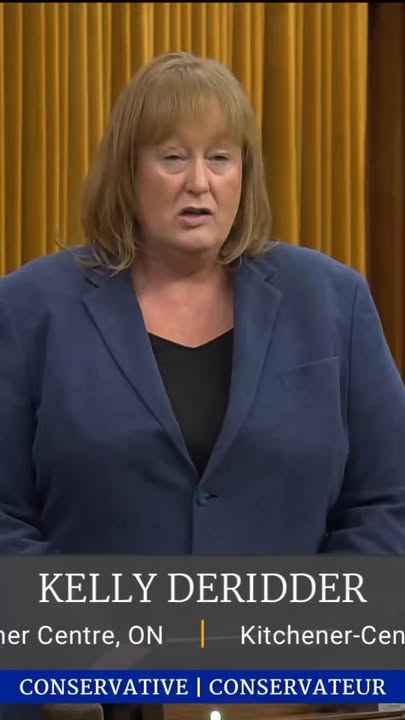
This page collects Kelly DeRidder's work in Ottawa on behalf of Kitchener Centre. It includes speeches in the House of Commons, letters to ministers, and posts about her meetings and events at home.

Housing is a clear focus. Kelly has written to the federal government in support of Kitchener's Fire Station 8 project, which would create 281 affordable homes and build them together with emergency services. She has also spoken about barrier-free homes for people with disabilities, and about prevention and recovery as ways to address youth homelessness. Her Private Member's Bill C-240 supports abstinence-based recovery, and it passed second reading in the House of Commons unanimously.

You will also see her work on local jobs and community concerns. She has highlighted Kitchener's innovation sector and the need for Canadian companies to be part of federal procurement. She hosted a CUSMA roundtable on trade and held a town hall on social media legislation at Doon Pioneer Park Community Centre. She also sponsored a petition on local journalism after 570 NewsRadio ended broadcasting, and she met with Camino Wellbeing + Mental Health about its Path to Education program.

214 posts, videos and speeches.

Facebook · May 27, 2026

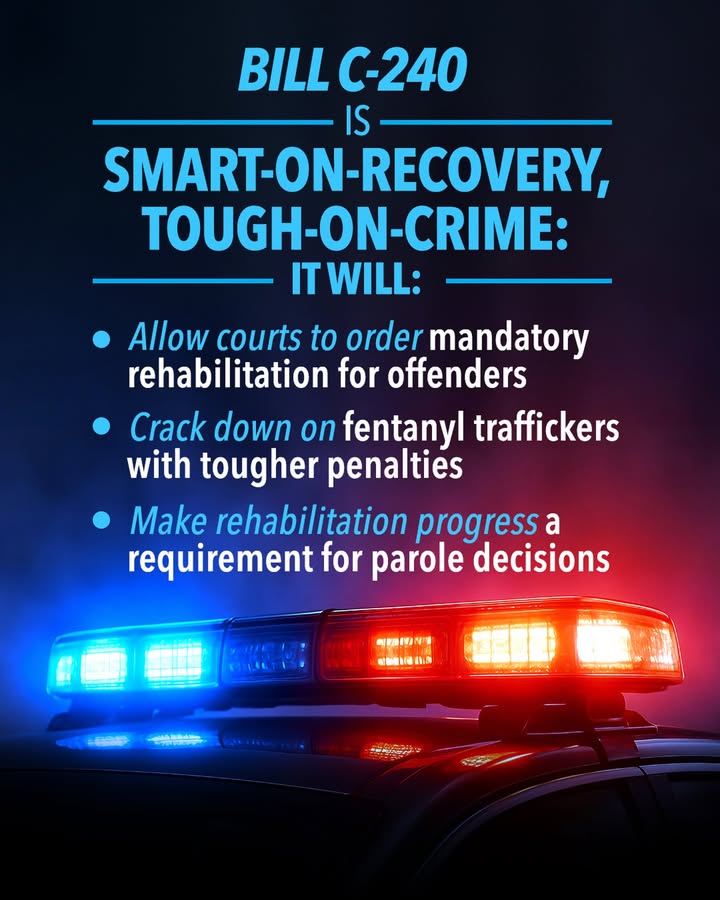
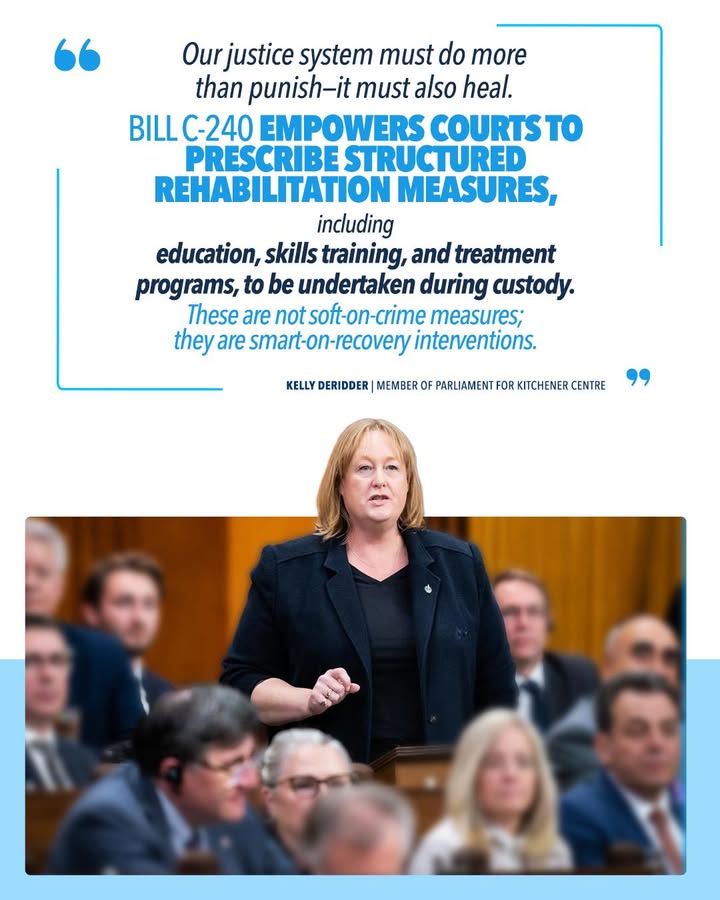
Rehabilitation is a foundation of our justice system, and that must include incarceration. My Private Member’s Bill, Bill C-240, helps ensure inmates struggling with addiction have access to recovery supports and accountability.

House of Commons · May 26, 2026

House of Commons: Government Orders — Business of Supply — Opposition Motion—Cancellation of Federal Taxes on Gas and Diesel and the Clean Fuel Standard

Mr. Speaker, today we are talking about something in our country that should not even have to be debated: whether Canadians deserve a break. People in this country who wake up early, work hard, pay their taxes, raise their kids, care for loved ones, live on fixed incomes or navig… Read more

ate life with a disability do everything the way they are told, and they deserve a break. This is what our motion is about today. It is about cancelling the federal taxes on gas and diesel and scrapping the clean fuel standard that continues to drive up costs across this economy. Frankly, we all leave this place and talk to our friends, neighbours and constituents, and we hear it in conversations in our offices, in the grocery store lineups and at community events: the reality that life is unaffordable. A couple who both work full-time are wondering how they are going to afford a home. A senior is cutting back on visiting grandkids because the cost of filling the tank is getting to be a bit too much. A single parent is deciding which bill can wait another few days. It is the farmers, truckers, tradespeople and small business owners who are watching their budgets erode month after month while being overtaxed and stretched thinner every day. People are tired. They are doing everything they can, and it still feels like they are falling behind. They are why this motion matters so much. Over the past few years, Canadians have watched as the price of absolutely everything has gone up: groceries, utilities, rent, mortgage payments, insurance, transportation and everyday necessities. While the government will often talk about how it is saving Canadians money, and even the Prime Minister stood up and said that affordability has not been better in a decade, the reality is that Canadians are looking at their bank accounts and wondering how much more they can stretch. When we increase the cost of fuel, it increases the cost of everything. It is passed to the consumer. Every single thing Canadians buy becomes more expensive, and yet the government continues to insist that adding more costs somehow makes life more affordable. It does not even make sense. For many Canadians, gas prices are not just a number on a sign that they drive by. They shape almost every financial decision people make during the month. People feel it when it costs them more to fill the tank. That is money that no longer goes toward groceries, savings, bills or their kids' activities. For families already stretched thin, there is zero room in the budget to absorb these increases. There are people planning errands around fuel usage, driving less to visit family and thinking twice before accepting extra shifts because of the commute. The impact ripples through our entire economy. Everyone pays more. One of the things I hear most often in my riding is that people no longer feel like hard work gets them ahead. This is devastating to hear in a country like Canada. We have young couples delaying having kids because they cannot afford a home. We have parents worried that their kids will never be able to get a start on their own or build a life for themselves. We have people working overtime, second jobs and side jobs and yet still relying on credit cards just to get by. More and more, we are hearing about households with dual incomes that are barely staying afloat because the cost of living has risen faster than the ability to keep up. I recently heard from Sayed in my riding who told me that rent, groceries and utilities have become nearly impossible to manage. They said they are under enormous stress to find safe and affordable housing while everyday expenses keep climbing faster and faster, and their income is not keeping pace. Also, Nathalie shared that they are already behind on rent and struggling to afford basics like food and phone bills at the same time, let alone this gas increase. They told me their bank account balance is at zero. They are beyond negative, and they cannot afford this price increase in gas, and they are terrified of losing their housing altogether. Adis, a father of five who lives in a two-bedroom apartment with his family, wants to move into a three-bedroom apartment, but the rental prices have become incredibly unaffordable, and year after year, the increases keep pushing them further and further behind. These are not one-off stories. We are hearing more and more of the same stories across our country from everyday Canadians. Even food insecurity is a national crisis. It is at record highs. There are families with children using food banks, and seniors using food banks. People who never imagined they would need help are now standing in line because they simply cannot keep up. Let us think about that. In one of the wealthiest countries in the world, people with jobs are struggling to feed themselves. To be a bit nostalgic for a second, only 11 years ago we had the wealthiest middle class in the G7. Look at what has happened with the Liberal government. Those same people are now in food bank lineups. When fuel prices rise, grocery prices rise. Farmers need fuel to operate their equipment. Truckers need fuel to transport goods. Stores need fuel to supply their chains. These costs do not disappear. They get passed on to the consumer. People drive their kids from Kitchener to Cambridge for sports and activities, and that is putting a strain on families. People drive because they have to. Farmers drive because they have to. Parents drive their kids to school, sports and appointments because they have to. They are not the problem. When the government increases tax on fuel, Canadians see it at the checkout counter when they buy milk, bread, produce or even diapers. The most frustrating part is that Canadians say they are feeling completely ignored when they try to point out the unaffordability. Disabled people already live below the poverty line, which is a discussion for another day. How can the government keep punishing people financially? There is something so fundamentally unfair about asking Canadians to make it work when so many are already stretched to the breaking point. The government often talks about supposed rebates, but the majority of Canadians do not see them. All Canadians want is breathing room. They do not want handouts. They just want breathing room and to get ahead. They want to feel like they make responsible choices and can build a decent life for themselves and their families. That should not be too much to ask. Canadians do not feel that things are affordable. They feel stressed when they are walking down the grocery aisle or paying their bills. It is not enough for them to have to cut back on groceries or cancel excursions for their kids. They are still not making ends meet. This is not a choice they should even have to make. Canadians do not need more talking points. They need relief. This motion offers a very straightforward step toward that relief. The motion would cancel all federal taxes on gas and diesel, scrap the clean fuel standard and stop making everyday life more expensive. We should never become so disconnected from reality that we forget who we are here to serve. We are here to serve the people who sent us here: the people balancing budgets at the kitchen table, trying to keep their small business alive and skipping meals so their kids can eat first. We have the opportunity to show Canadians that someone is listening to them. Will the government support our motion and show Canadians that it is listening?

House of Commons · May 26, 2026

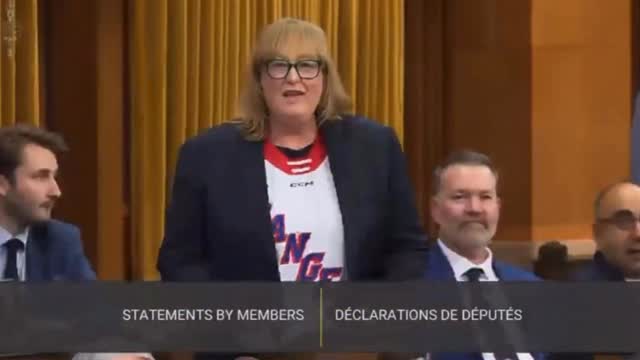
House of Commons: Statements by Members — Kitchener Rangers

Mr. Speaker, I want to take a moment to say just how proud I am of the Kitchener Rangers. What we have seen this season is pure talent and character. Winning the OHL championship does not happen by accident. It takes discipline, resilience and a relentless commitment to one anoth… Read more

er day in and day out. It is about showing up when it matters, pushing through, having a commitment and believing in each other as a team. To see the Rangers competing for the Memorial Cup, the most prestigious prize in junior hockey, is something truly special. The Rangers are representing the entire Kitchener-Waterloo community with heart, determination and skill. The players, coaches and staff have made our city proud. No matter what happens next, they have shown what it takes to compete at the highest level. Let us be real, the boys have this. Go, Rangers.

Facebook · May 21, 2026

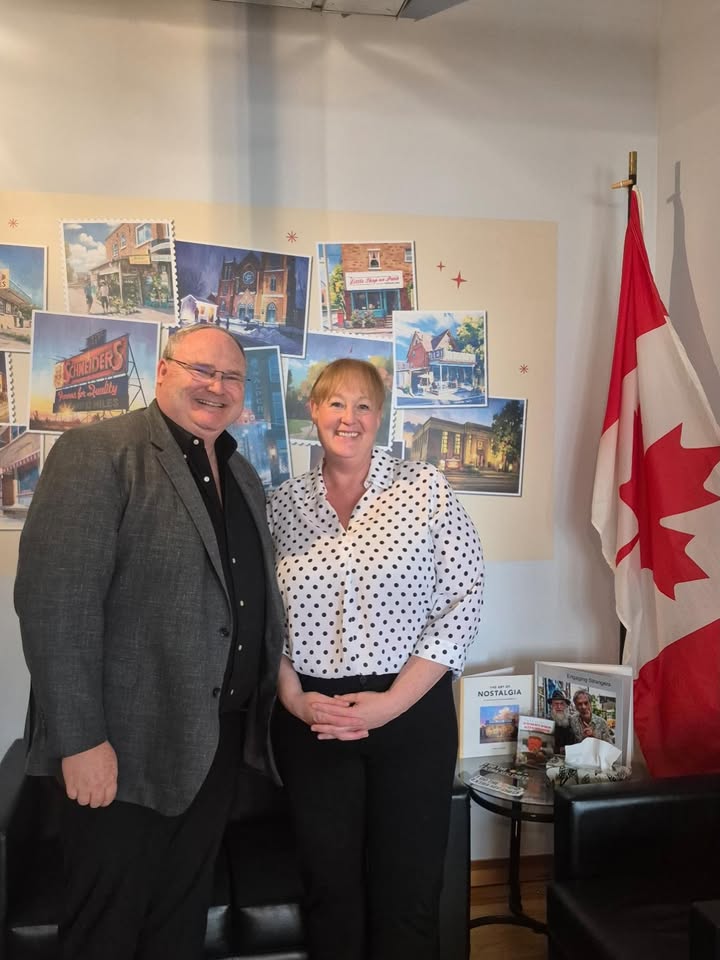
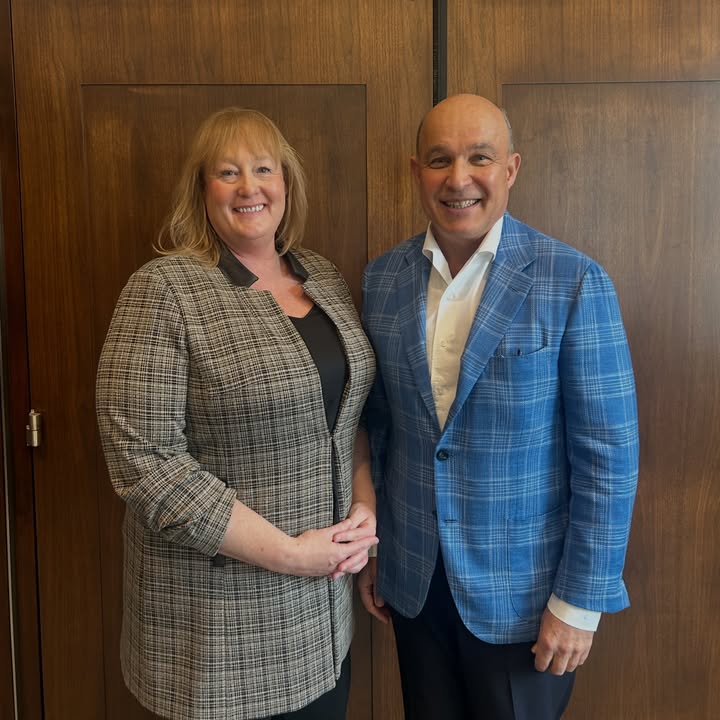
Great meeting with Mark Bingeman to discuss important issues facing our community and opportunities ahead for Waterloo Region. Always appreciate thoughtful conversations and local perspectives.

Facebook · May 18, 2026

This is personal to me. Behind my Private Member’s Bill, C-240 is heartbreak, loss and stories that are forever changed by drugs. This is why I will keep fighting for change.

Facebook · May 14, 2026

Kitchener Centre is one of Canada’s leading tech hubs, yet the government continues pushing AI policy, not listening to the leaders building it. That’s how you create a brain drain and push innovation, investment and talent out of Canada, and directly to the United States.

Facebook · May 11, 2026

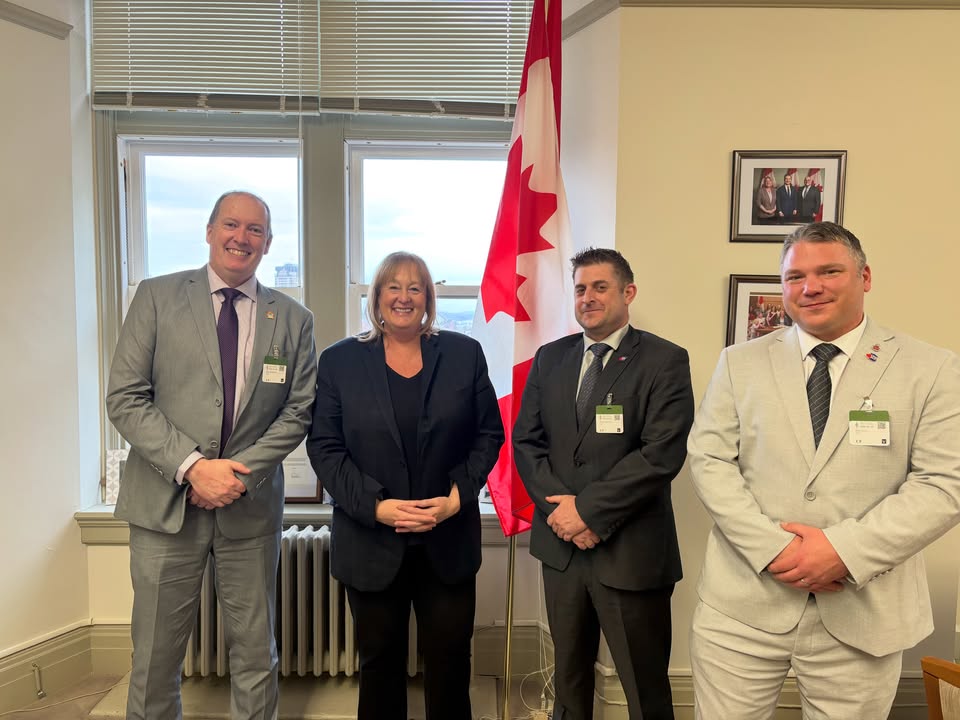
During National Police Week, we’re glad to have met with the Canadian Police Association to hear directly about the challenges officers are facing. We recognize the courage and sacrifice of those who work every day to keep our communities safe.

Facebook · May 7, 2026

From war to the classroom, students from Burma are rebuilding their futures through Wilfrid Laurier University’s ISO program, right here in our region.

Facebook · May 5, 2026

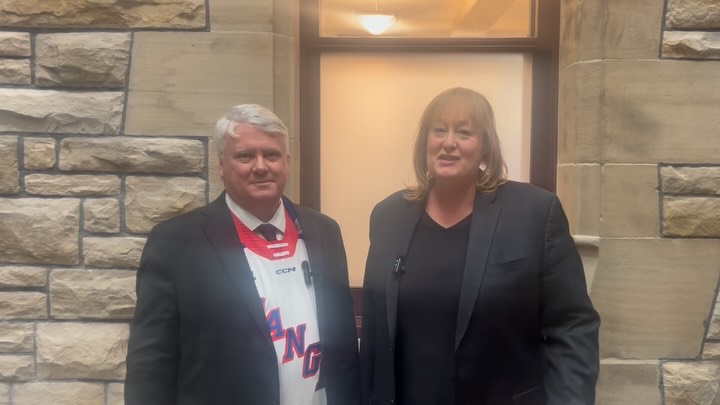
For those who missed it, we challenged @harb_gill to a friendly bet: whichever team lost between the Kitchener Rangers and the Windsor Spitfires, the losing team’s MP had to wear the other jersey in the House. He followed through.

Facebook · May 5, 2026

Last week, it was great to have Canadian tech leader Jim Balsillie in Ottawa to appear as a witness at Industry Committee. With strong roots in the Waterloo region, his perspective on innovation and protecting Canada’s economy is always valuable.

House of Commons · May 1, 2026

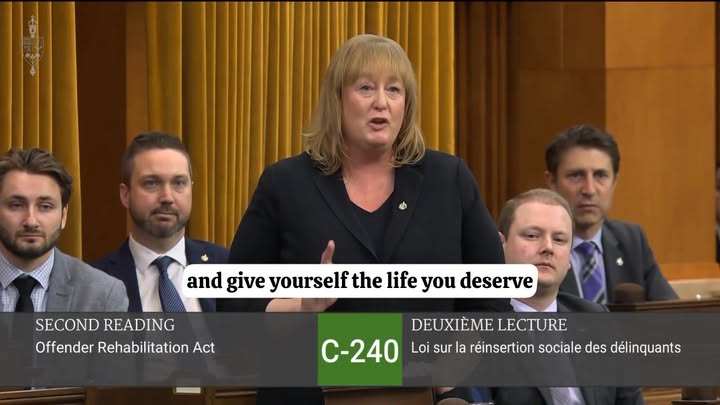
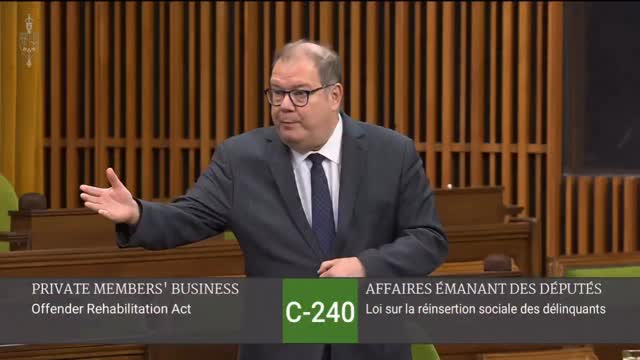
House of Commons: Private Members' Business — Offender Rehabilitation Act

moved that Bill C-240, an act to amend the Criminal Code, to make related amendments to the Corrections and Conditional Release Act and to amend the Controlled Drugs and Substances Act, be read the second time and referred to a committee. Mr. Speaker, it is an honour today to r… Read more

ise for the first hour of debate on the second reading of my private member's bill, Bill C-240. Canada is facing a crisis, one that is often described as silent. It is silent in our national conversations, perhaps, but deafening in our homes, in our communities and in our daily lives. It is a crisis heard in worried phone calls, in empty chairs at the family table and in the quiet grief carried by parents, friends and loved ones. This is not an abstract policy debate. It is this drug crisis, and it is affecting Canadians everywhere. There are 343 seats in the House, and every single one of them has been impacted in some way. No region, no riding and no community has been spared. For some, it is a 15-year-old girl's grandmother asking for help to save her from this crisis, or a conversation with a police officer when one can literally see the mental anguish on his face because of the human-trafficking aspect of this crisis and the toll it is taking because it feels endless. For others, it is a friend, a neighbour, a colleague or a family member who is struggling right now. This crisis has a face in every corner of our country. We have lost more than 50,000 Canadians to this drug crisis in the past 10 years. This is more lives than we lost in the Second World War. If this level of loss were caused by any other threat, the House would be united in urgency, relentless in its response and clear in its resolve, yet despite the scale of this tragedy, the drug crisis too often remains hidden, spoken about quietly, not fully addressed or avoided altogether. Too often stigma replaces understanding, discomfort replaces honesty, and political talking points replace action. We hesitate to talk openly about addiction because it is complex, because it is painful and because it forces us to confront the difficult truths about mental health, trauma, housing, crime and care, but silence has never saved a life. Avoidance has never led to recovery. If we are serious about protecting Canadians, then we must be serious about acknowledging the reality that is in front of us. We must start talking about this crisis openly and honestly. We must move from debate to action, and we must work together across federal, provincial and municipal governments and alongside our communities on the ground, because recovery is possible. People can and do recover. People can come home happy, healthy, healed and drug-free. Recovery must be at the centre of any serious response to this drug crisis. If we truly want to help people who are suffering from addiction, we have to focus on getting them well, not enabling and not just cycling them through systems that never really address the root cause. Addiction is not a moral failure, and recovery is possible when people are given the right supports. In my community, I see what works. I see organizations that are changing lives every single day by focusing on rehabilitation and recovery. Groups like Frontline Recovery, HART Hub at the House of Friendship, Celebrate Recovery, Porchlight, Key Metrix and Crow Shield Lodge, along with many others, are doing the hard, often unseen work of helping people rebuild their lives. These frontline organizations understand addiction not as a headline but as a human reality. They prove that recovery works when properly supported. Our stories are different, but at the core of addiction there is trauma. It drives substance use and keeps people trapped in cycles they cannot escape on their own. If we do not heal the trauma, we do not break the cycle. If we do not break the cycle, we are not offering real recovery but only enabling addiction. That belief is what led me to bring forward Bill C-240. It is a bill about breaking cycles and putting recovery at the centre of our justice system's response to addiction-driven crime. Bill C-240 would introduce rehabilitation directly into incarceration. It would allow a judge to prescribe rehabilitation, mental health supports, education and training. It would give the individual the opportunity to participate in that treatment, and it would allow a parole board to consider whether that treatment plan has been completed. What makes this different from what exists today is accountability. Right now, programs may exist, but there is no real accountability to ensure that they are delivered as intended or that the individual receives the full support required to complete them. When rehabilitation is judge-prescribed, accountability exists on both sides: on the correctional facility to provide meaningful programming and on the individual to engage in treatment. That accountability is what turns intention into outcome. Bill C-240 also sends a very clear and necessary message to those who profit from addiction. It treats the trafficking of fentanyl as an aggravating factor, allowing for harsher penalties for dealers who knowingly make money off human suffering. Recovery must be paired with the consequences for those who exploit vulnerability for profit. The goal of this bill is simple and focused: to heal and break cycles for those afflicted by addiction and to punish those who knowingly fuel it. If we want safer communities, fewer victims and fewer lives lost, recovery must be the path forward and accountability must be a part of that path. This last part may be difficult for me to get through, but it matters that I say it. There are many faces, backgrounds, stories, people, different walks of life and reasons for addiction. I know this because I am one of those faces. I am one of those walks of life. I am a recovered addict. I fell into addiction in high school. It starts as fun, an escape from reality and good times with friends. Then it turns into something very different. It becomes one's life. It steals from people, who then burn bridges and make choices that trap them in a life of continued trauma. No one talks about the dark side of addiction: those choices, the self-harm, the trap houses, the abusers of vulnerability and the realities of the life of addiction. I was young. I was vulnerable. I had my own trauma. Then one day, while I was in one of those trap houses, I was looking around and thought to myself, “What am I doing? What is this life? What is my future? What is next, death?" That is when I decided to change. When I was in addiction, my mom showed me tough love. While I was in active addiction, I was not allowed at home. However, she always checked in on me. She always knew where I was, and she would make me go for coffee or Sunday dinner at nana and grandpa's house. Every time she checked in on me, she would always plant a seed, asking, “When are you going to school?” The very first thing I did when I got through detox was march up to my mom's office. She worked for the Waterloo region her entire career, and at the time she was at 99 Regina Street South. I went into her office and said, “Mom, I need a Conestoga College book.” I applied for early childhood education, radio broadcasting and television, and mechanical engineering, specializing in robotics and automation. I literally had no idea what I wanted to do next. I just knew I wanted to do something different. The only thing I was accepted into right away was the engineering program, so that became my path. I have been told, often by people who do not know me, that I need to be trauma-informed or that I need to listen more closely to the research, the data or the intellectuals who study this issue. While research matters, I want to say this very clearly: We will never solve this crisis if we do not listen to the people with lived experience, especially those who have healed. Recovery is not theoretical. It is lived, one day at a time. I wear the scars, but I also wear the success of defeating the demon of addiction. I always wanted to go into politics, but I delayed running because of my past. The weight held me back. I asked myself, “What if I win? What if my past comes out? What if I am judged or shamed or dismissed because of who I once was rather than who I am today?” That fear is not unique to me. It is the stigma many recovered people carry with them, even after they have built their lives. I decided I would no longer carry that stigma in silence. I am ending it by telling my story. Under our party's leader, I knew I would be supported, not only because of who our leader is as a person but because of the message that he continually shares. During the last election, he spoke about recovered addicts as having a kind of strength others may never fully understand, because recovery means climbing a mountain that most people will never see. He spoke about the need for rehabilitation beds across this country and for real pathways to recovery. That message mattered to me. It told me I would not only be accepted as a member of Parliament, but also be supported. We need more leaders like this. That support has given me the strength and the courage to stand here in the House of Commons and share my own personal story. However, there is one thing I would like to add to that message. Yes, recovered people climb a mountain, but at the very beginning of recovery, all a person can see is that mountain in front of them. It feels impossible. It feels endless. It feels lonely, but if they take one day at a time, one step at a time, they will reach the top, and that is where their life truly begins. There is a big, beautiful, happy, healed life on the other side of addiction. If members have ever seen the view from the top of a mountain, they know that the world opens up, possibilities expand and our future becomes something we can finally imagine. I was an addict sleeping in Victoria Park in Kitchener, Ontario. I slept in the streets and at the women's shelter on Frederick Street, Mary's Place, and now I am a member of Parliament representing that very same area. The very same area and community I was homeless in, I now represent as a member of Parliament. If someone hears this who is struggling or feels trapped at the base of that mountain, I want them to know this: They should take that step, start the healing journey and give themself the life they deserve.

House of Commons · April 30, 2026

House of Commons

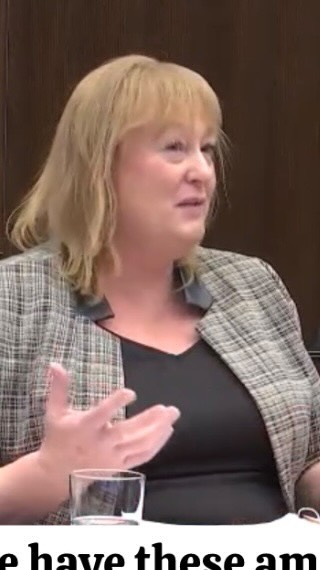
Thank you, Chair. Thank you to all the witnesses for being here. Mr. Balsillie, thank you for joining us. It's great to have you again at another committee. We can ask some important questions. Your expertise is always welcome. You mentioned that Canada has huge potential in t… Read more

he technological era and that our economy could really be stimulated through it. I agree completely. Innovation hubs like Canada's innovation capital, Kitchener Centre, are huge contributors to that. We also have these amazing minds coming out of our universities, who are turning into entrepreneurs and building our innovation. Where is the government missing the mark here?

Facebook · April 28, 2026

We’ve accomplished a lot after one year in office. I’m grateful every day for the trust you placed in me to represent you in Ottawa. Thank you for the opportunity to serve and to keep fighting for our community.

House of Commons · April 28, 2026

House of Commons: Statements by Members — Kitchener Centre

Mr. Speaker, one year ago today, I got that little blue check mark on election night that told me I was coming to the House of Commons to represent Kitchener Centre. I thank all the volunteers who dedicated their time. I thank all the voters who placed their trust in me. I than… Read more

k my husband, Chris, my rock, who went with the flow when I blew up our lives. There is also my mother Merren, and I know Abigail's life would be very different without my mother's guidance and support at this time. I love my mom, and I thank her. To my caucus colleagues who have been around a while, I thank them for their guidance, their support, their conversation and every answered question. I value them all so much, and I thank them. To all my colleagues in the House, I wish a happy one-year anniversary to the class of 2025.

Facebook · April 27, 2026

Last week, we threw down a friendly wager with MP Terry Sheehan ahead of the Rangers vs. Greyhounds game. A deal’s a deal… and today’s House attire proves it. Always fun to bring a little hometown rivalry to Parliament!

Facebook · April 26, 2026

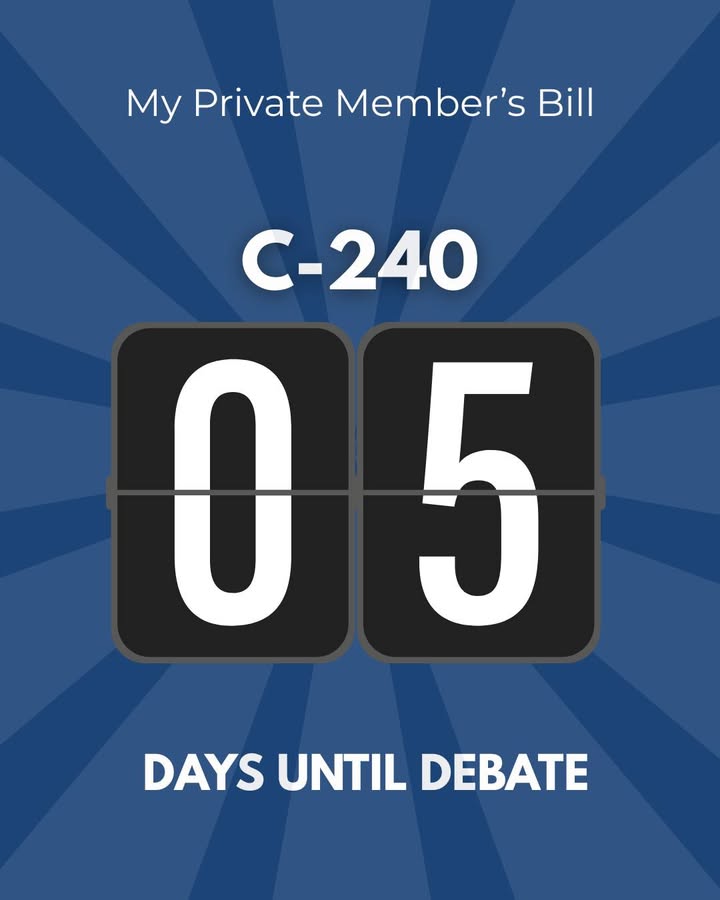
5 days until debate on Bill C-240. Time to bring real accountability back to rehabilitation. If you have quetsions about my bill, leave them in the comments and we'll answer them this week!

Facebook · April 24, 2026

Take a listen to my speech on why removing funding from key post‑secondary options risks squeezing the middle class even more. Education should open doors, not close them. That’s how we restore the Canadian dream. Watch the full speech on YouTube.

Facebook · April 22, 2026

My Private Member’s Bill is about accountability in our justice system. Not soft on crime. Safer communities start with this.

Facebook · April 21, 2026

My Private Member’s Bill, C-240 is about breaking the cycle of repeat crime and giving real paths to recovery. It’s up for second reading on April 30. We need to move forward and get better outcomes for both communities and offenders.

House of Commons · April 21, 2026

House of Commons: Routine Proceedings — Committees of the House — Human Resources, Skills and Social Development and the Status of Persons with Disabilities

Mr. Speaker, there was a time in this country when a path was clear. If people worked hard, made good choices and invested in their future, they could get ahead. That was the Canadian dream. However, for a lot of Canadians today, that dream feels further and further out of reach.… Read more

Costs are up, opportunities feel tighter and more and more people are doing everything right, but still falling behind. At a moment like this, the role of the government should be simple: to make it easier for people to build a life, not harder. That is why this policy is so frustrating. Instead of opening doors, it is closing them. The government proposed restricting the Canada student grant for full-time students. It might sound like a small change, but in real life, it boils down to this. Two students can be working just as hard, striving to build their careers and trying to build a future in this country, but one of them gets the help while the other gets nothing just because of where they go to school. That is not fair. That is not common sense. That is not how we rebuild the Canadian dream. Those in Waterloo region are incredibly proud of their post-secondary institutions. There are institutions like Conestoga College, Wilfrid Laurier University and the University of Waterloo, but there are also great institutions like triOS College, which reached out to me personally, concerned about this change. These are colleges that serve our community that the traditional system does not work for, such as single moms working two jobs and still wanting to go to school or anyone who can attend classes outside of their nine to five regular work. These people are now questioning whether they can afford to stay in their programs. Students who are trying to become medical professional assistants, PSWs or IT professionals are now being told that the support they were counting on may not be there. These schools are helping shape our next generation. They give students options, different paths, timelines and ways to succeed, but the reality is that not every student follows the same path. Some students want a university education. Others want something more hands-on, something that gets them into the workforce faster. That is where career colleges come in. They train people for real jobs in real industries, often in less time. They prepare people to become personal support workers, medical assistants, IT professionals and skilled trade workers. These are not backup plans. These are essential jobs. These are the people we rely on every single day, and yet, under this policy, many of those students will lose access to federal grants, not because their work is less important or their career is not needed but because of the type of school they attend as the traditional path did not work for them. Let us think about that. We are telling people who want to work in health care, in the trades or tech that they picked the wrong path, so they are on their own now. At the same time, we have a labour shortage. We see all across our communities that there are just not enough workers. Therefore, why would we make it harder for people to get those skills? Why would we put up those financial barriers? That is what this does. It makes it harder for people to take that next step and for many, it will mean they simply cannot afford to go. It is worth asking who is most likely to be affected by this. It is not the students with the most resources. It is the ones trying to change their lives. People are going back to school later: new Canadians, people looking for a second chance or a fresh start. This policy does not hit everyone equally. It hits those who are climbing an uphill battle. Now let us talk about affordability, because this is where it hits the most. Most students do not have extra money sitting around. They rely on grants to make school possible. Rent is high, groceries are high and everything costs more. For some people trying to decide whether they can go back to school, change careers or learn a new skill, that support can make the difference between moving forward or staying back. The government removing that support for one group of students is a closed door that will hit those with lower and middle incomes. Canadians who are in these classes are hit the hardest, the very people who are trying to get ahead and break cycles in their own lives. There is another piece to this that matters, especially in a place like Kitchener. That is the extra pressure put on our post-secondary institutions. They contribute to our communities and support our local economies, but we have also seen the pressure on housing, infrastructure and services. Those challenges need to be addressed properly. The policy that the government is suggesting does not solve these problems. It does not fix housing or improve oversight. It does not strengthen the system. All it does is make life harder for Canadian students choosing career training. If anything, we should be expanding flexible, targeted training options to meet demand, not shrinking them. Career colleges are often the fastest way to respond to workforce needs. They adapt quickly and focus on specific skills. In moments like this, when the economy is shifting, that kind of flexibility is not a weakness but a strength. Provinces regulate these schools. They decide which institutions are legitimate and which programs meet standards. The committee made a simple recommendation. If a province says a school is valid, the federal government should respect that. That is the response that puts students first. Right now, the government has not explained why it is suggesting this change or what problem it is solving. From where Canadians are standing, it does not solve anything. It just creates new problems. It creates unfairness and barriers, and it sends the wrong message about the value of work. At the end of the day, it comes down to something simple: respect for students, respect for a different path and respect for the idea that there is more than one way to build a good life in this country. University is a great path. College is a great path. I went to college. Career training is also a great path. We need all of them. We should be supporting all of them, not telling one group they matter more than another. When we do that, we hurt our workforce and our economy, and we push the Canadian dream out of reach. The ask here is simple: reverse this, restore fairness and support students, no matter which path they choose, because if we are serious about helping Canadians get ahead, then we need to stop putting obstacles in the way.

Facebook · April 19, 2026

I introduced Private Member’s Bill C-240 back in September, and it is now coming up for debate on April 30. This bill reflects what we care about most, strengthening protections and improving outcomes for the people it is meant to support.

Facebook · April 18, 2026

My Private Member's Bill, C-240 is about breaking the cycle of repeat crime and focusing on recovery and accountaility. It's up for second reading soon. If you have questions about my bill, ask them in the comments and we'll answer them next week!

Help Kelly keep working for Kitchener Centre

Kelly's work in Ottawa is backed by volunteers and supporters here at home. A monthly donation of any size keeps the local team going, and political contributions earn a generous federal tax credit.